
En esta noticia
The Thanksgiving holiday Americans will celebrate Thursday didn’t begin with the Pilgrims’ 1621 harvest feast. It became a national tradition in 1863, when President Abraham Lincoln declared it in the middle of the Civil War, betting that a shared holiday could help hold a divided country together.
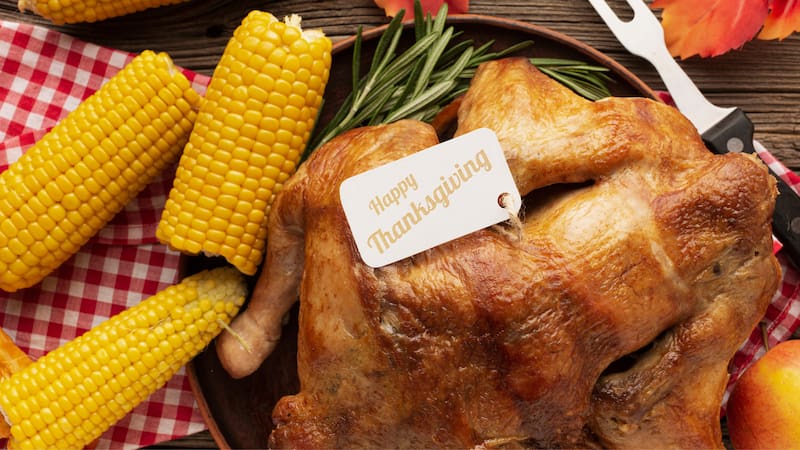
The idea of a direct line from the Pilgrims’ table to today’s turkey dinner is largely a 19th-century invention. The only surviving firsthand account of the 1621 gathering says almost nothing about the food. Venison, corn and turkey show up in a description written a little later.
For more than two centuries after that, there was no single Thanksgiving. Pilgrims and Puritans in Massachusetts set aside fast days to atone for sins and feast days to thank God. Some colonial and later state governors called fall days of thanksgiving, each on their own schedule.

Why did Abraham Lincoln make Thanksgiving a national holiday during the Civil War?
The push didn’t start with Lincoln. It came from Sarah Josepha Hale, a New Hampshire native born in 1788 who, starting in the 1830s, edited Godey’s Lady’s Book, the most widely read magazine in the U.S. before the war.
Hale believed homemakers could help shape the young nation’s identity. According to historian Elizabeth Pleck, she ran editorials calling for a national Thanksgiving and showed readers how to observe it: turkey, cranberry sauce and pies decorated with pastry Mayflowers and cornucopias.
She pictured a day when families scattered by new factory jobs would come home and retell the country’s founding story. Hale appealed to five presidents. Lincoln was the one who agreed, hoping a holiday built on that origin story would rally a nation at war with itself.
The war shaped the early celebrations. Women in the North shipped turkeys to soldiers at the front and pies to their families back home. Pleck notes that abolitionist Sojourner Truth went door to door raising money for Thanksgiving meals for Black troops.
Did Abraham Lincoln’s Thanksgiving actually unite the US?
Not right away. Catholics were wary of a holiday with Protestant roots, and the South resisted a tradition tied to Lincoln and the war. On the frontier, where most settlers were single men, a family-centered day had little pull.
Over time, though, the holiday became a way to bring newcomers into the national story. In 1869, Harper’s Weekly published Thomas Nast’s cartoon “Uncle Sam’s Thanksgiving Dinner,” which showed people of many races and nationalities seated as equals at one table.
By the 1920s, Thanksgiving was the most celebrated holiday in public schools. Teachers presented the Pilgrims as the symbolic ancestors of every American, had students act out the 1621 feast and sent recipe cards home so parents could cook the classic dishes.
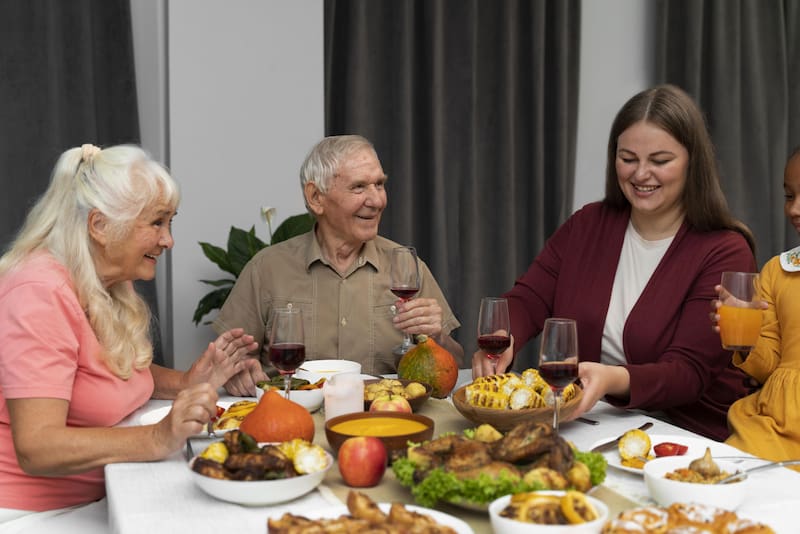
Many immigrant families made the meal their own, serving turkey alongside dishes from their home countries. For Jewish households, Crisco, introduced in the early 1900s, offered a dairy-free stand-in for butter, so holiday desserts could stay kosher next to the turkey.