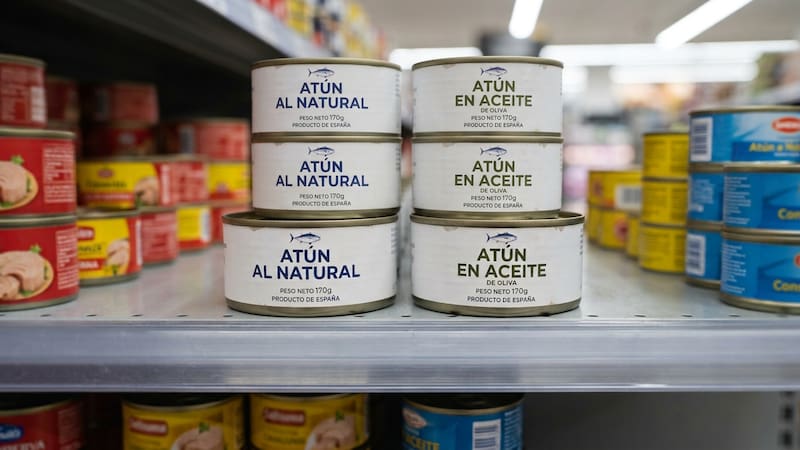

By Abel Iranzi
En esta noticia
On supermarket shelves, two cans of tuna of the same size and brand can have different prices and labels without making it obvious what is different inside.
The main difference between tuna in water and tuna in oil lies in the packing liquid that surrounds the fish, which affects the food’s nutritional profile as well as its flavor and texture.


What is the difference between tuna in water and tuna in oil
Tuna is the main ingredient in both versions, so choosing one or the other does not necessarily mean one can has more fish than the other. What changes is the medium used to preserve the product inside the can.
Tuna in water is made using water or a low-salt brine as the packing liquid. That gives it a more neutral flavor, a less oily texture and usually fewer calories and less fat, since no additional fat is added during packaging.
Tuna in oil, by contrast, is preserved in edible cooking oil, which may be vegetable oil or olive oil, depending on what the label says. Because it adds fat to the contents of the can, this version has a richer taste and softer texture, although it raises the calorie count and total fat content compared with tuna in water.
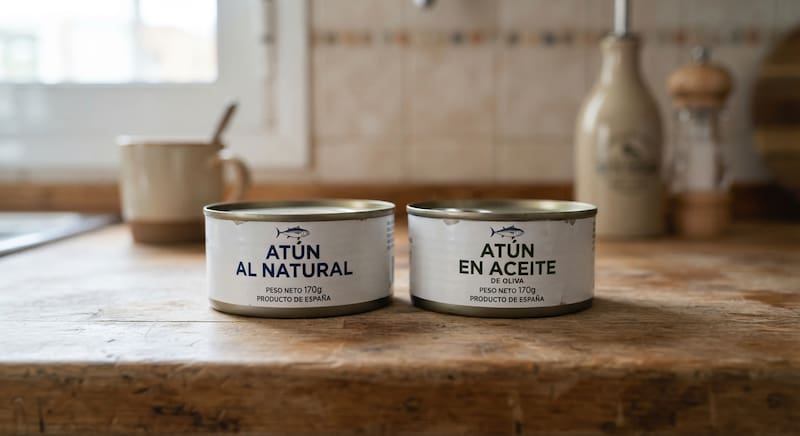
The exact nutrition values vary by brand, the species of fish used and whether the nutrition facts panel lists the drained product or the full contents, just as sodium levels depend on each manufacturer’s formulation and are not automatically lower in tuna in water.
Which one is worth choosing and what to check on the can before buying
The choice between one version and the other comes down to each buyer’s priorities. People looking to cut daily fat and calorie intake usually choose tuna in water, while those who prioritize flavor and a richer texture for salads or fillings often prefer tuna in oil.
If the goal is to control sodium intake, it is essential to check the nutrition information on each label, and if the priority is to get as much fish as possible for the money, the only reliable reference is the drained weight.
Food safety experts recommend checking the physical condition of the can before buying and following basic precautions after opening it:
- Avoid cans that are swollen, rusty, dented or have deep dents on the edges or lids.
- Make sure the container has no leaks and no damage to the airtight seal.
- Check the expiration date printed on the can.
- Once opened, transfer any leftovers to a clean lidded container and keep it refrigerated.