
En esta noticia
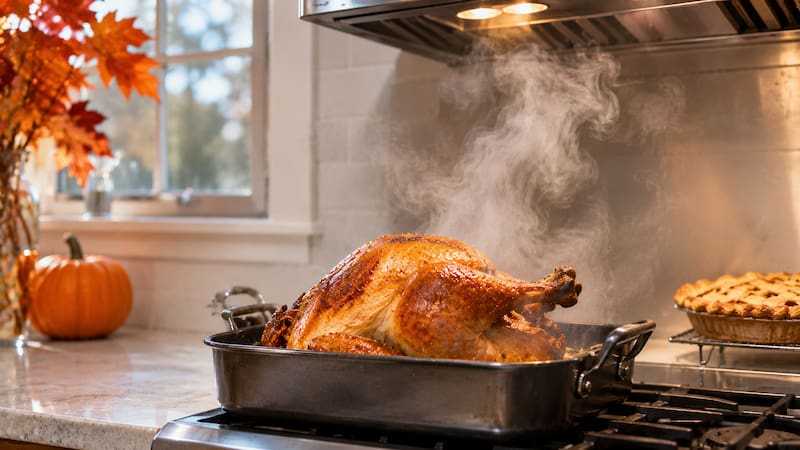
Cooking Thanksgiving dinner can fill a kitchen with fine particle pollution at levels above health-based air quality standards, research shows. A Virginia Tech air quality expert says four simple steps can help clear the air while the turkey roasts.
The research, led by Virginia Tech alumna Marina Vance, found that preparing a holiday meal can push particle concentrations past those limits.
The expert, Linsey Marr, is a professor of civil and environmental engineering at Virginia Tech who studies pollutants in indoor and outdoor air.
In Marr’s view, a busy holiday kitchen can feel like a bad-air day in a big city, with one key difference: the smog stays indoors, and dinner is the source.


Why does Thanksgiving cooking pollute the air in your kitchen?
The pollutant at issue is particulate matter: microscopic bits of solid or liquid suspended in the air. At high concentrations, indoor air pollution can irritate the airways and cause coughing or shortness of breath, according to Virginia Tech.
The culprit is mostly the food itself. Fats and oils from sizzling dishes rise as vapor, then cool and condense into tiny particles that linger in the room. A holiday menu cooked over several hours gives them plenty of time to build up.
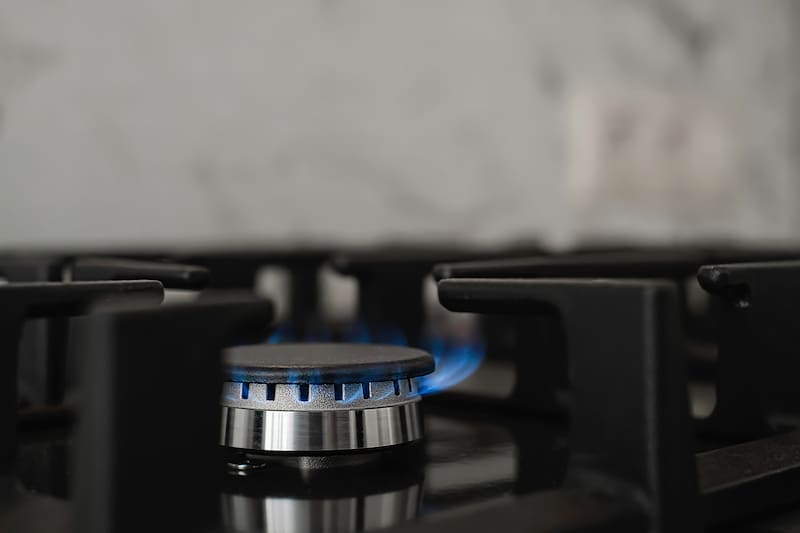
Gas appliances add their own share. Marr said natural gas stoves and ovens release particles even before any food goes in, plus nitrogen dioxide, a gas that forms when fuel burns.
How can you clear the air in your kitchen this Thanksgiving?
The fixes are small, and none of them means giving up a favorite dish. Marr recommends four changes for the day.
1. Watch the high-heat, high-fat dishes
A packed oven isn’t necessarily the problem. Marr said what you cook and how you cook it matter more: oily or fatty dishes that are fried, broiled or roasted at high heat give off the most pollution.
2. Run the range hood on high
Turn the exhaust fan to top speed from the first pan to the last, Marr advised. Air fryers, toasters and other countertop appliances belong under the hood too, so the fan can catch what they release.
3. Put an air purifier to work
A portable air purifier in or near the kitchen can pull particles out of the air during the busiest stretches of cooking, according to Marr.
4. Let in some outside air
Weather permitting, Marr suggests opening a window a crack. A steady flow of outside air dilutes the pollutants inside.