
En esta noticia
Apples are among the three most widely produced fruits in the world because of their popularity, and they are available year-round in the United States, according to a publication from Harvard’s School of Public Health.
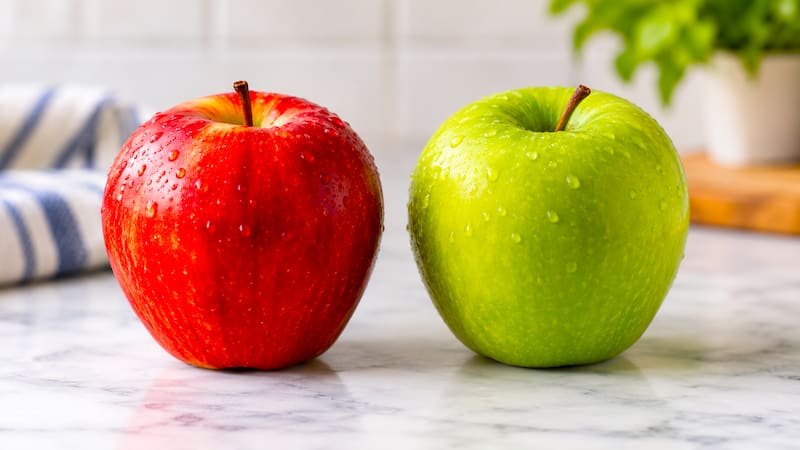
Because they come in both green and red varieties, the Tufts University Health & Nutrition Letter sheds light on the nutritional differences between them, including their calorie content.


Red apples or green apples: What’s the difference, and which has fewer calories?
Diane McKay, a nutrition expert and university scientist, says that when comparing the nutrients in red and green apples, the differences are minimal.
However, the specialist explains that green varieties tend to have about 10% fewer calories and carbohydrates. Red apples, meanwhile, provide 50% more beta carotene because of their color.
What nutrients does an apple provide?
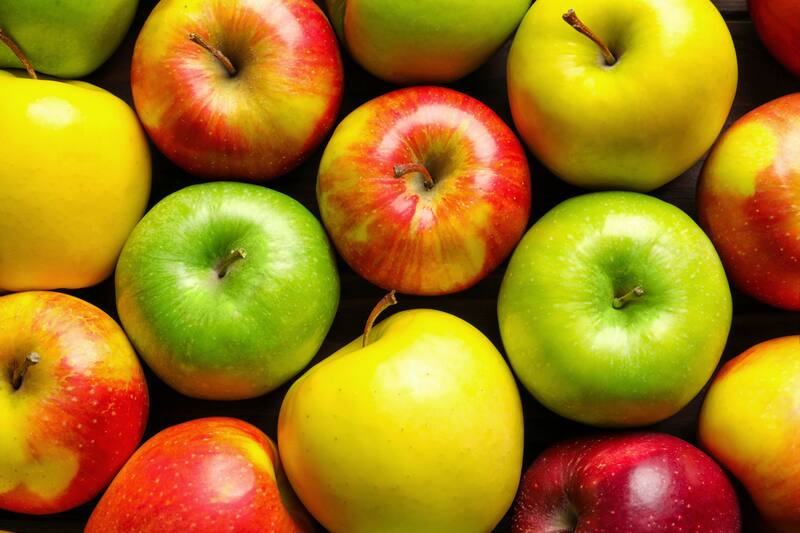
Harvard explains that an apple can contain:
- Fiber, both insoluble and soluble
- Phytonutrients (quercetin, catechin, chlorogenic acid, anthocyanin)
- Vitamin C
How experts recommend eating apples to get all their nutrients
“Fresh, whole apples offer the most nutrients,” Harvard says, adding that it advises against peeling them because removing the skin also strips away much of the fiber and flavonoids.
Dehydrating or drying apples also reduces their vitamin C content, which is concentrated in the flesh. Drinking them as juice is not ideal for this reason either, because filtering and pasteurization remove much of their flavonoids and fiber.
Where is the best place to store apples?
The advice for keeping apples fresh longer is to store them in the refrigerator’s crisper drawer, where they can keep for 1 to 2 months.
This is the best place because lower temperatures can reduce ethylene production. They should always be stored in a separate drawer to keep them from speeding up the ripening of other produce.