
En esta noticia
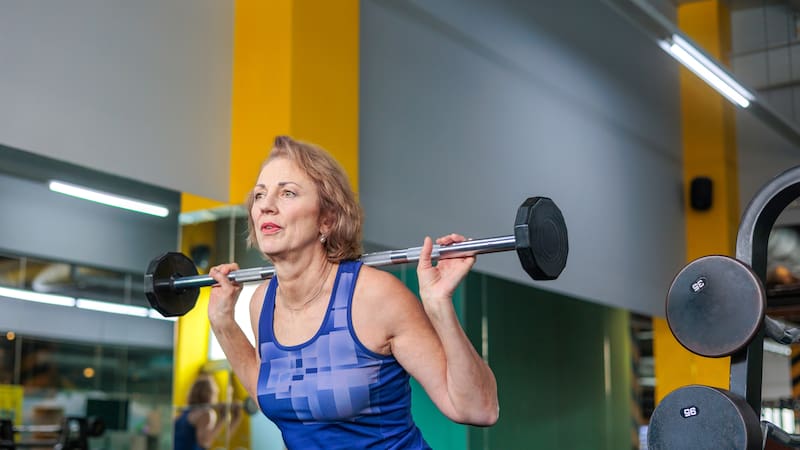
Women over 50 may find an everyday food ally in protecting their bones: prunes. Research by scientists at Penn State University in the United States found that eating one serving a day for a year helped preserve hip bone mineral density, an area especially important for preventing fractures.

The clinical trial included 235 postmenopausal women ages 55 to 75 and compared the results of those who ate different amounts of prunes with those of a group that did not consume the fruit. Researchers found that a daily intake of 50 grams helped improve hip bone density compared with the decline seen in the control group.
The findings were published in 2022 in the scientific journal The American Journal of Clinical Nutrition, under the title Prunes preserve hip bone mineral density in a 12-month randomized controlled trial in postmenopausal women: the Prune Study.
Why prunes help protect bones after 50
Scientific interest in prunes is tied to their phenolic compounds, bioactive substances that could play a role in the processes that regulate bone health.
According to the researchers, these components can support bone metabolism and act on certain inflammatory signaling pathways linked to bone loss.
This is especially important during postmenopause. At this stage, lower estrogen levels speed up bone deterioration and can contribute to the development of osteoporosis, a disease that reduces bone mineral density and weakens bone structure.
Penn State Distinguished Professor of Kinesiology and Physiology Mary Jane De Souza highlighted the importance of the trial results: “In our study, we observed that daily prune consumption affected factors related to fracture risk. That has incalculable clinical value.”
“We were able to maintain and preserve bone in the weight-bearing area, the cortical bone of the tibia, and maintaining cortical bone and bone strength are key to preventing fractures,” she added.
How many prunes should you eat a day to help protect bone density?
The study compared two daily amounts over 12 months:
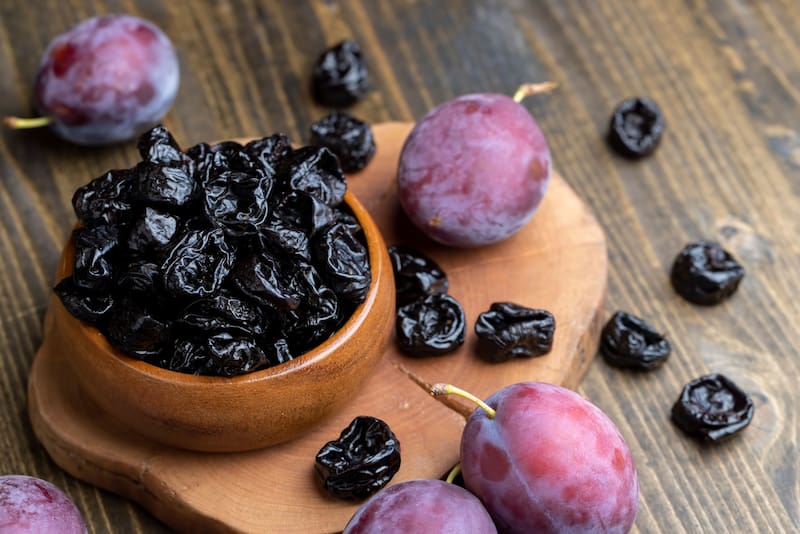
- 50 grams a day: roughly equivalent to four to six prunes.
- 100 grams a day: roughly equivalent to 10 to 12 prunes.
Participants were randomly assigned to three groups: one that did not eat prunes, another that ate 50 grams a day, and a third that received 100 grams per day.
The most consistent results for hip bone mineral density were seen in the group that consumed 50 grams a day.
At the end of the 12 months, women in the control group had experienced a 1.1% decline in total hip bone mineral density. By contrast, those who ate 50 grams showed a change of just -0.3%, which researchers interpreted as a preservation of bone density.
The 100-gram dose was also studied, but it presented a major challenge: 41% of the women assigned to that group dropped out of the trial, a much higher rate than among those who ate 50 grams (15%) and participants in the control group (10%).
What to keep in mind
Adding prunes to the diet can be an interesting nutritional option, but it should not replace medical checkups or prescribed osteoporosis treatment.
Bone health also depends on a balanced diet, adequate calcium and vitamin D intake, and physical activity, among other factors.
It is worth noting that most of the participants were white women from a region of Pennsylvania, so the results cannot necessarily be applied to all populations. The researchers also said more studies are needed to better understand the mechanisms involved and confirm the possible long-term benefits.