
En esta noticia
- Which companies are banned from sponsoring green cards for H-1B workers?
- What happens to pending green card applications at Microsoft, Adobe and the other companies?
- What does the green card ban mean for H-1B workers at these companies?
- Why did the Trump administration ban Microsoft from sponsoring green cards?
- How did Microsoft respond to the green card ban?
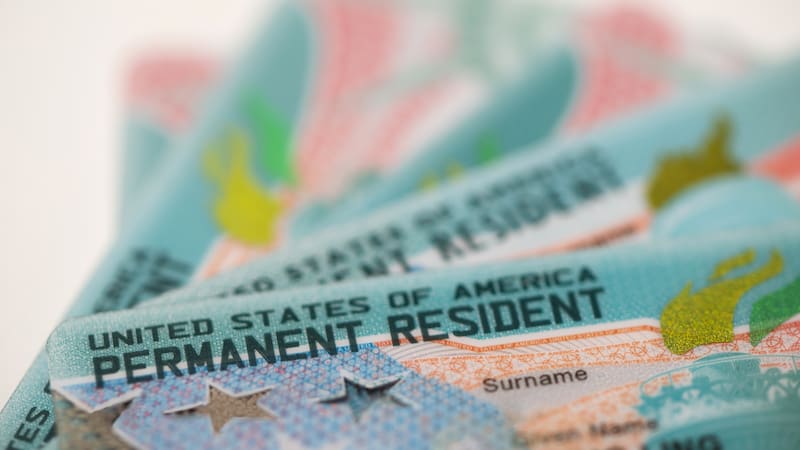
The Trump administration on Thursday banned Microsoft, Adobe and six other companies from sponsoring green cards for workers on H-1B visas. The ban cuts off a common path to permanent residency for foreign employees at those firms.
Vice President JD Vance announced the ban at a White House news conference on fraud and accused the companies of using the green card system to push out American workers. Labor Secretary Keith Sonderling, whose department runs that system, named the companies.
Microsoft CEO Satya Nadella was among the tech leaders President Donald Trump planned to honor with national medals at the White House that same day.

Which companies are banned from sponsoring green cards for H-1B workers?
Sonderling said Microsoft and Adobe were included because both face multiple active federal investigations. The other six are information technology outsourcing firms, which staff tech projects for other businesses.
The ban covers these companies:
- Microsoft
- Adobe
- Cognizant
- Infosys
- Tata
- Wipro
- HCL
- Capgemini
Sonderling said that since 2009, the eight companies have received more than 230,000 H-1B approvals and more than 100,000 labor certifications. He called those “hundreds of thousands of jobs that were taken from American workers.”
What happens to pending green card applications at Microsoft, Adobe and the other companies?
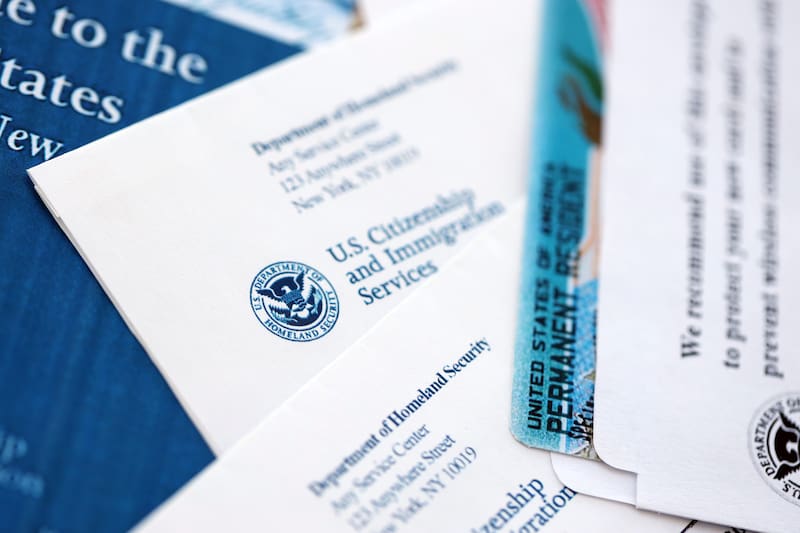
For most employment-based green cards, the employer must first get a permanent labor certification, known as PERM. To get one, it has to show the Labor Department that it couldn’t find a qualified American for the job.
Sonderling said the eight companies can no longer file PERM applications. Accounts of his remarks differ on whether pending cases are also on hold, and the Labor Department had not published written details as of Friday.
Officials set no end date. Vance said Microsoft will stay blocked “until they show that they are going to get serious about putting American workers first.”
What does the green card ban mean for H-1B workers at these companies?
An H-1B visa allows up to six years of work in the U.S., in two three-year terms. For many holders, an employer-sponsored green card is the way to stay longer.
The ban applies only to green card cases tied to the eight companies. The administration did not say what happens to their H-1B employees who reach the six-year limit while it is in effect.
Affected workers can ask their employer’s immigration team or an immigration attorney where their case stands.
Why did the Trump administration ban Microsoft from sponsoring green cards?
Vance said some companies post job ads where few Americans will see them, such as in small-town newspapers. They then point to the lack of applicants to justify hiring foreign workers. He said no U.S. company relies on the system more than Microsoft.
He said Microsoft laid off 6,000 American workers in 2025 while receiving 6,300 H-1B visas and almost 3,000 green cards. Federal data show 6,258 H-1B approvals for the company in the last fiscal year and 3,157 PERM filings.
Vance also called H-1B holders “foreign indentured servants.” He said they are paid less than Americans in the same jobs and lose their right to stay in the country if they lose their position.

How did Microsoft respond to the green card ban?
In a statement, Microsoft said “the vast majority of Microsoft employees in the United States are Americans.” It said 80% of its roughly 6,000 H-1B applications last fiscal year were for people it already employed.
The rest, the company said, went to hires who were already in the U.S. legally, a group equal to 1% of its American workforce.