
En esta noticia
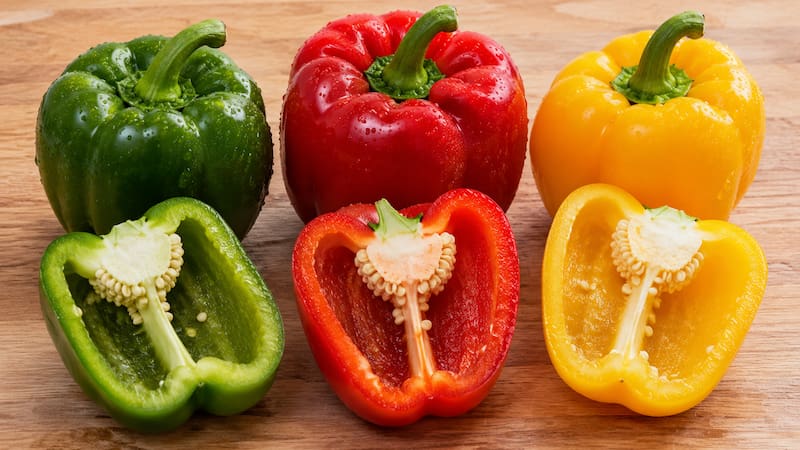
Red, green and yellow bell peppers have differences that go beyond appearance. Ripening affects flavor and nutrient content, so choosing one over another can also change the outcome of a dish.
According to the University of Massachusetts Amherst, green peppers are harvested before they ripen and have a slightly bitter taste. Yellow peppers stay on the plant longer and are sweeter, while red peppers stand out for having the highest sweetness in this comparison.

Why bell peppers change color and flavor
Harvest timing helps explain those differences, but variety also plays a role. Mississippi State University Extension says both factors determine color and ripeness. Green peppers are the least ripe and, as they develop, they can turn other colors depending on the variety.
That means not all bell peppers necessarily follow a sequence from green to yellow and then red. Some also turn orange, purple, nearly white or almost black.
As they ripen, their flavor becomes sweeter. That difference helps distinguish green peppers, which taste more bitter, from red peppers, which are the sweetest.
What nutritional differences do they have
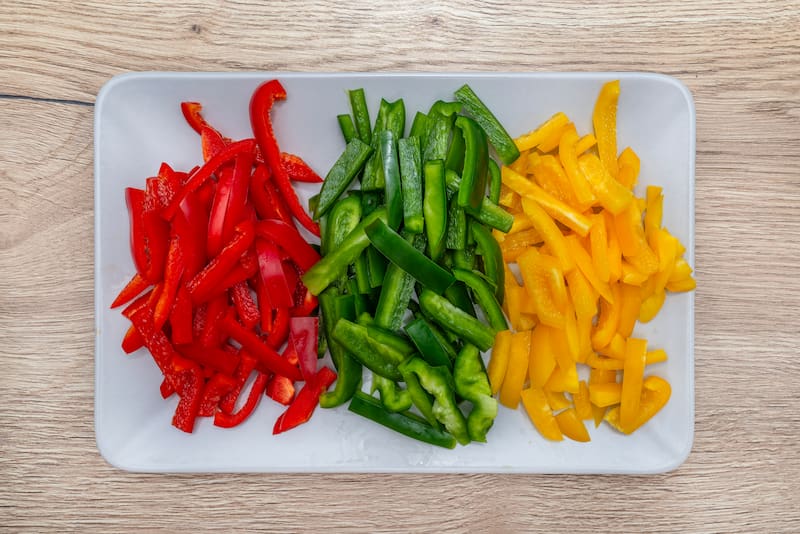
All contain vitamin C. Mississippi State University says this nutrient helps repair tissues and helps the body absorb iron. It also lists vitamins B6, K, A and E, minerals and antioxidants.
The makeup of those antioxidants changes as the peppers ripen. Green peppers contain lutein and zeaxanthin, yellow peppers contain violaxanthin, and red peppers get their color from capsanthin.
The Massachusetts Amherst guide highlights red bell peppers for their higher content of beta-carotene and vitamins A and C in the comparison. It also notes that bell peppers provide fiber, potassium and folate.

How to choose and store them at home
When buying them, Massachusetts Amherst recommends looking for peppers that are firm, shiny and heavy for their size. Avoid ones with brown spots, wrinkled skin or soft areas.
To store them whole, it says to keep them unwashed in a bag or container in the refrigerator for up to five days. If they have already been washed and cut, they should be refrigerated in a container and used within two days.
They can also be frozen. In that case, the university advises washing and cutting them, then placing them in a labeled freezer bag to use within eight months.