En esta noticia
The tape measure is one of the most common tools in any home. It is used to hang pictures, make repairs, measure furniture, or tackle DIY projects. However, few people know the true meaning of the red numbers that appear on many of these tapes.
At first glance, they seem like just another mark within the measurement scale, but in reality they serve a specific function designed to make construction and carpentry work easier.

Why do red numbers appear on the tape measure?
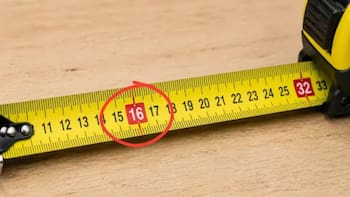
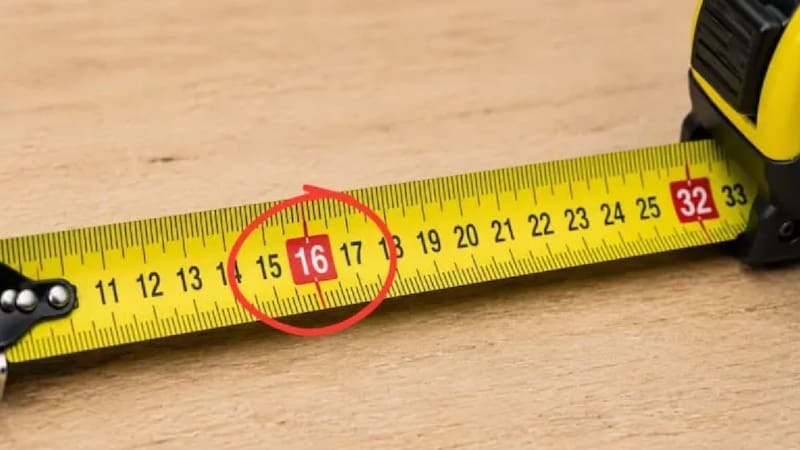
On many tape measures, especially those made for markets where the imperial system is used, some numbers are highlighted in red. These marks usually repeat every 16 inches, a distance equivalent to 40.6 centimeters.
The reason is simple: this spacing matches the standard distance used to install studs or joists in wall structures. Thanks to these visual references, workers can quickly identify where to make marks or fastenings without having to do repetitive calculations.
This system makes tasks faster and reduces possible errors during construction, improving the precision and efficiency of the work.
A little-used detail in Argentina
Although the decimal metric system predominates in Argentina, many tape measures available in hardware stores and shops also include the imperial scale. For that reason, the red numbers remain present even though most users are unaware of their usefulness.
For those who do carpentry, remodeling, or construction work, these references can be a practical tool when replicating measurements and maintaining correct alignments.

Other secrets hidden by the tape measure
In addition to the highlighted numbers, the tape measure includes other functions designed to improve measurement accuracy.
One of the most important elements is the metal hook located at the end. Although many people think it is loose because of a manufacturing defect, it was actually designed to move slightly. That movement compensates for the thickness of the hook itself and ensures that the measurement is accurate both when measuring from an outer edge and from an inner one.
Another little-known detail is that many tapes indicate on their casing the exact width of the tool body. This allows internal spaces to be measured by placing the tape against a wall and automatically adding the casing measurement.