
En esta noticia
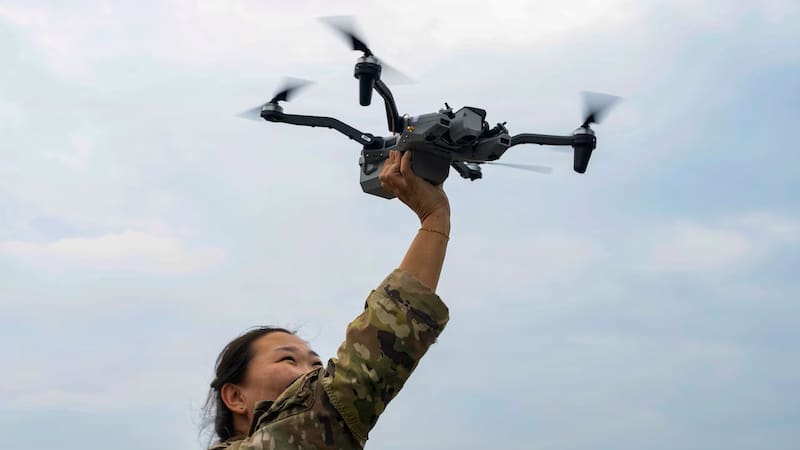
The United States has launched specialized training in Puerto Rico to prepare its airmen and security forces for possible drone attacks. The training is being led by the 346th Expeditionary Air Wing, based in Ceiba, and aims to improve the military’s ability to detect and counter small unmanned aircraft systems (UAS).
The initiative - published Nov. 19 on the U.S. Department of War website - responds to a growing concern for the armed forces: the increasingly widespread use of drones, which can put military operations at risk even without directly attacking an aircraft. An incursion near a base can compromise personnel, facilities, and air operations.
Why is the United States training its military to fight drones in Puerto Rico?
The training includes hands-on drills so security force members can operate countermeasure systems and respond to possible aerial threats.
Col. Brad Dvorak, the unit’s commander, explained the importance of incorporating these skills into military operations: “Putting robust capabilities against small unmanned aircraft systems at the forefront of our operations is essential to air domain awareness”.
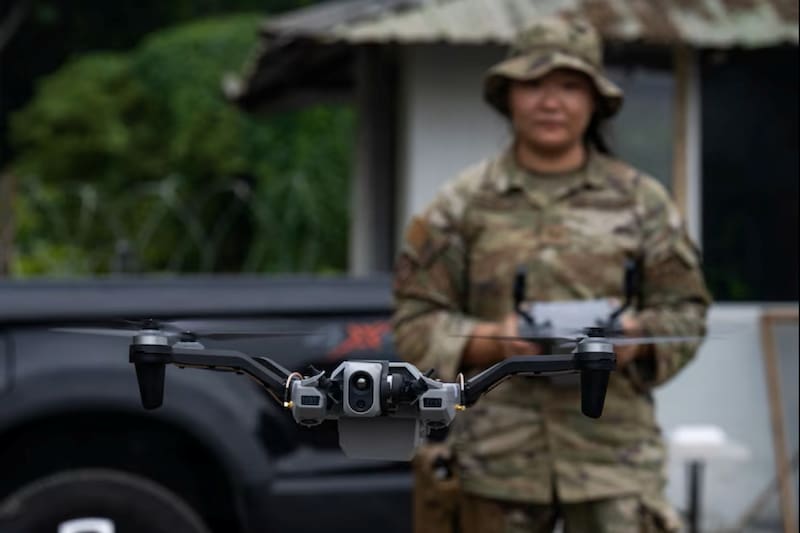
He also said that airmen must be prepared to identify potential risks and prevent these devices from disrupting base activities.
What threats do drones pose to U.S. military bases?
Small drones can become a problem for military installations because they can get close to sensitive areas and put both people and equipment at risk.
That is why the U.S. strategy does not rely on a single tool. The unit works with a layered defense system that combines technical readiness, constant training, and coordination among the different teams responsible for protecting the facilities.
One of the leaders in the force protection division summed it up this way: “There is no magic solution to address the threats from small UAS, but a layered defense provides redundancy and the best possible outcome”.
What importance does Puerto Rico have in U.S. military operations?
The 346th Expeditionary Air Wing’s training is also tied to U.S. Southern Command (SOUTHCOM) operations, which are responsible for U.S. military activities in Central America, South America and the Caribbean.
Puerto Rico serves as a strategic territory for these operations. There, the military seeks to maintain its response capabilities against threats that can change quickly.
The training also supports Washington’s goals of strengthening regional security, combating illicit drug trafficking and protecting its interests in the Western Hemisphere.