
En esta noticia
- When does a debt start to be considered seriously delinquent, and what limit should not be exceeded?
- What steps can the State Department take when the IRS notifies it about the debt?
- What can be done to lift the State Department restriction?
- What other type of debt can lead to passport applications being denied and valid passports being revoked?
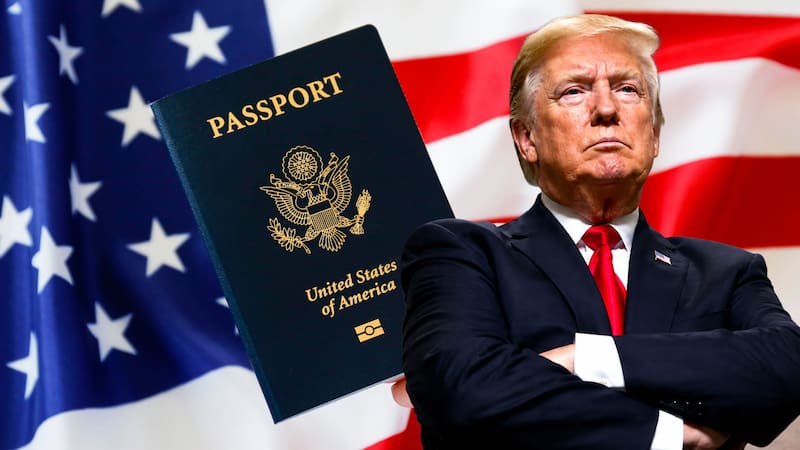
Having unpaid debts in the United States can affect much more than a person’s financial record. In certain circumstances, unpaid tax obligations and child support debt can become an obstacle to getting or renewing a U.S. passport.

Restrictions depend on the amount owed, the type of debt, and the notices issued by federal agencies. Both the Internal Revenue Service (IRS) and the State Department have procedures in place to identify affected taxpayers.
When does a debt start to be considered seriously delinquent, and what limit should not be exceeded?
According to the IRS, a tax debt is considered seriously delinquent when it exceeds US$66,000 in 2026, including accumulated interest and penalties. That amount is adjusted each year in line with inflation.
This standard allows the agency to identify taxpayers whose tax obligations exceed the set limit and refer their cases to the State Department. Once that notification is made, restrictions can take effect.
What steps can the State Department take when the IRS notifies it about the debt?
When the IRS certifies that a taxpayer has seriously delinquent tax debt, it notifies the State Department so action can be taken on the person’s passport:
Depending on the person’s situation, it can take the following actions:
- Deny new applications: it generally does not issue passports to people whose debt has been certified.
- Deny renewals: it can reject renewal applications from people named in the IRS notice.
- Revoke valid passports: it has the authority to cancel the validity of a document that has already been issued.

What can be done to lift the State Department restriction?
To regain the ability to get or renew a passport, the taxpayer must resolve the certified tax debt. There are several ways to do that:
- Pay the full debt: settle the amount owed, including interest and applicable penalties.
- Set up a payment agreement: formalize a satisfactory installment plan with the IRS.
- Fix administrative errors: request correction of an incorrect certification.
Once the obligation is resolved, the IRS must reverse the certification and notify the State Department within 30 days.
What other type of debt can lead to passport applications being denied and valid passports being revoked?
In addition to federal tax obligations, child support debt can also prevent the issuance or renewal of a U.S. passport.
According to the State Department, when a person owes more than US$2,500 in child support, federal regulations block them from getting a new passport and allow one that is still valid to be revoked.
To regain eligibility, the passport holder must contact the state agency responsible for collecting child support and pay off all outstanding obligations in every state where they owe money. Once payment is made, the state notifies the Department of Health and Human Services (HHS), which must remove the taxpayer from its records and inform the State Department. This process can take at least two to three weeks.