
En esta noticia
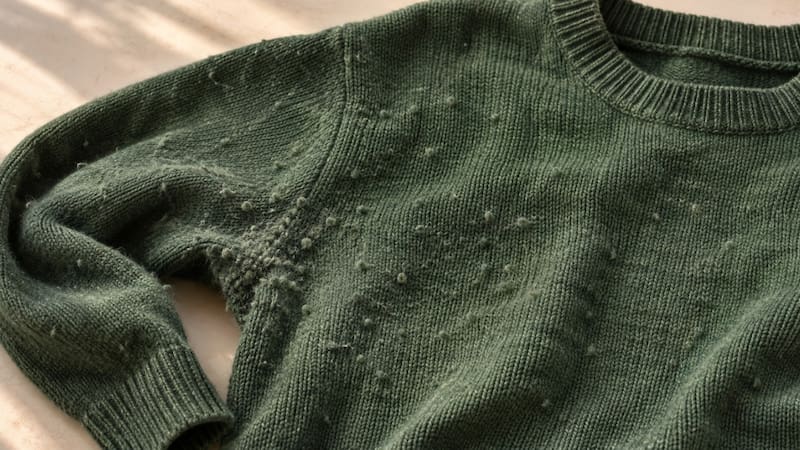
The pills that appear on sweaters, especially in high-friction areas, do not mean the clothing is ruined. They can be removed with a fabric comb, a lint shaver or tools suited to each material, with a few precautions to keep the fabric from snagging or wearing down too much.
This phenomenon, known as pilling, occurs when small fibers loosen, tangle, and build up on the surface of the garment. It is common in wool fabrics, synthetic blends, and other materials that constantly rub against backpacks, coats, furniture, or the body’s own movement.
How do you remove sweater pills without damaging the fabric?
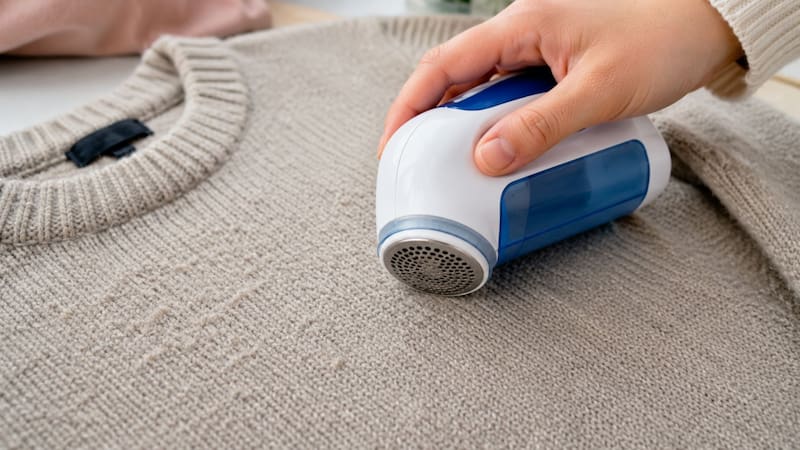
The simplest option is to use a lint shaver or a fabric comb. To do this, lay the sweater flat and gently run the tool over the affected areas without applying too much pressure.
According to Maytag, lint shavers can help remove fiber build-up, although it is important to make sure the device is compatible with the garment material. The company recommends first testing it on a less visible area, especially when dealing with delicate fabrics.
There are also other options:
- Sweater comb: lets you remove pills with gentle strokes, following the grain of the fabric.
- Lint stone: can work on certain fabrics, as long as the product is recommended for that material.
- Adhesive tape: helps remove loose lint and small build-ups, though it is usually not enough when the pills are firmly attached.
How can you keep sweaters from pilling again?
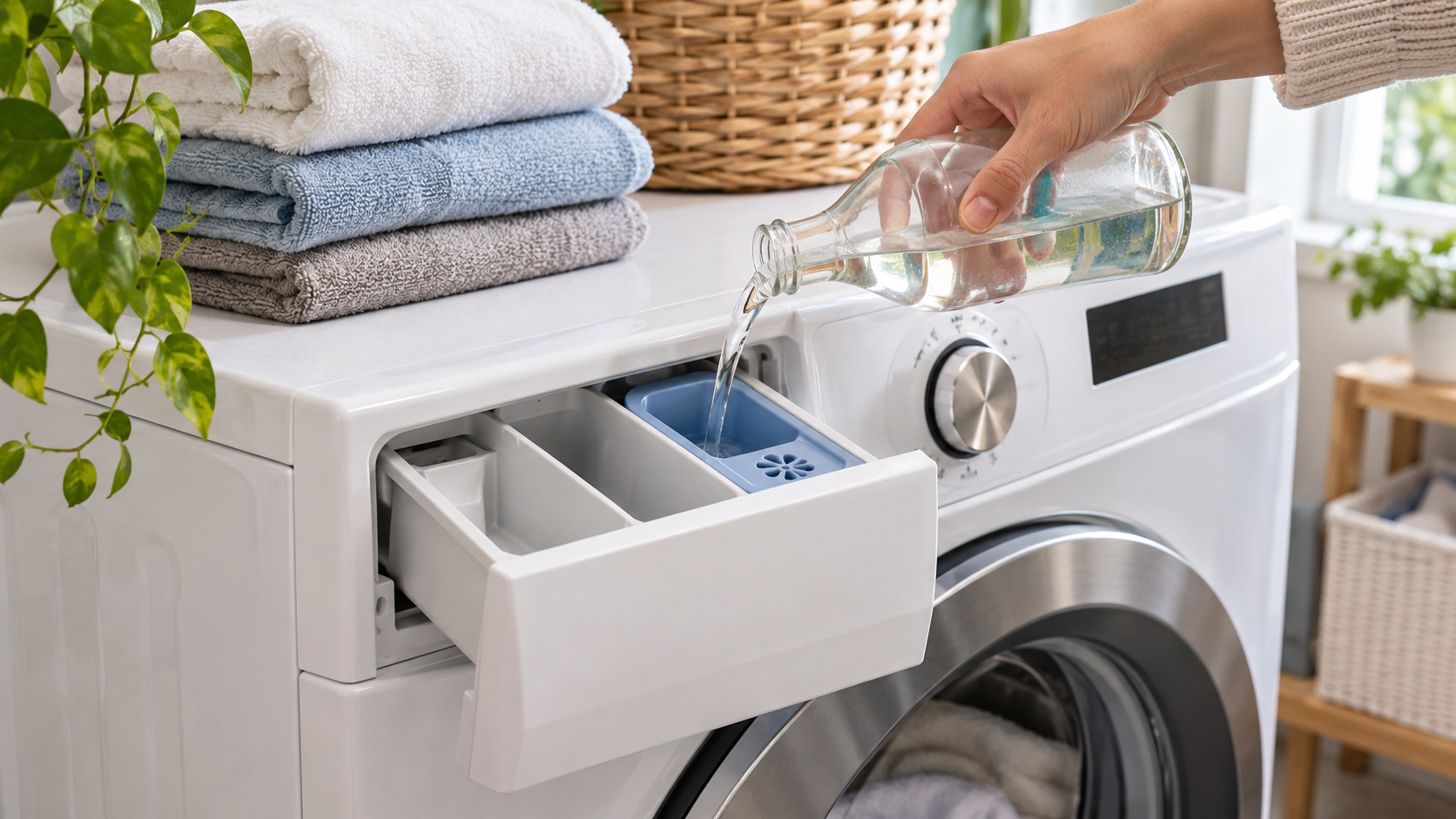
To keep pills from coming back quickly, it helps to reduce friction during washing. One recommendation is to turn sweaters inside out before putting them in the washer and separate them from heavier items, such as jeans.
Maytag advises using gentle cycles, avoiding overloading the machine, and, when possible, letting clothes air-dry. These steps help reduce friction that encourages pilling.
The University of Georgia, through its extension service, also warns that acrylic fibers are prone to forming these build-ups. In its textile guide, it explains that removing pills can expose new fiber ends and make the problem come back.
What should you check before washing a sweater?
Before washing any sweater, the most important thing is to check the care label. It indicates whether the garment needs to be hand-washed, washed on a specific cycle, at a certain temperature or dried in a particular way.
The Federal Trade Commission (FTC) says manufacturers must provide care instructions for textile garments. The rule states that labels must indicate the usual procedures needed to care for clothing.