
En esta noticia
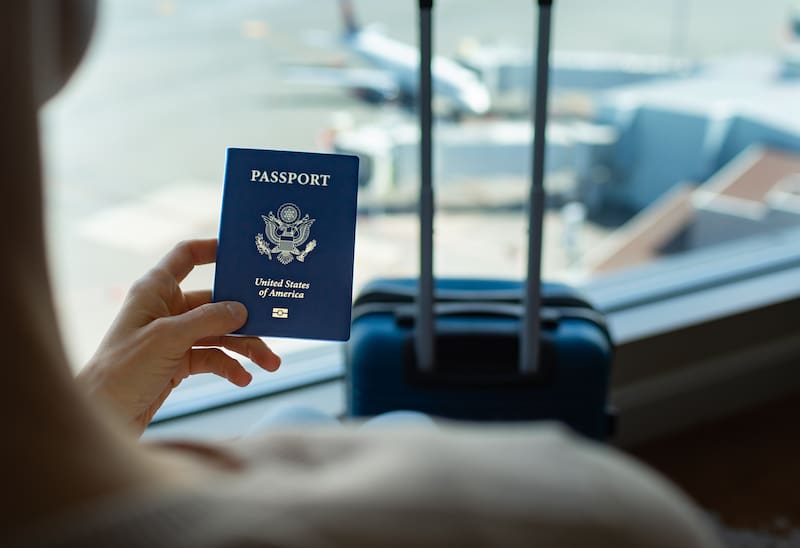
The condition of a U.S. passport can determine whether a traveler is able to board a plane or enter another country. The State Department warns that documents with severe damage may be rejected at immigration checkpoints, since certain alterations make it impossible to verify the holder’s identity or confirm the document’s authenticity.
Not every flaw means a passport must be replaced. The agency distinguishes between damage that affects validity and ordinary wear from daily use and sets out what travelers should do if they plan to travel with a damaged document.
Why will entry be barred for people carrying a passport with severe damage?
U.S. citizens who try to travel with a damaged passport could face problems boarding a plane or entering another country. The State Department warns that documents with significant damage may be considered invalid, since alterations to the pages, photographs, or personal data can prevent the holder’s identity from being verified.
Not every sign of wear means a passport has lost its validity. The agency distinguishes between normal wear caused by use and damage that affects the integrity of the document or makes the information harder to read.
What damage does the State Department consider “severe,” and what is considered normal wear and tear?
The State Department identifies different types of damage that can render a passport unfit for travel. These include:
- Water damage: stains caused by moisture or exposure to liquids.
- Mold: the presence of fungus or moisture-related deterioration.
- Major tears: rips that affect the integrity of the pages.
- Unofficial markings: notes, writing or alterations on the page with personal information.
- Missing pages: torn-out or damaged visa pages.
- Perforations: holes made in the document or other major physical damage.
By contrast, some signs of wear do not require a new passport. The agency considers folds caused by carrying the document in a pocket, visa pages that curl from opening and closing the passport, and slightly frayed edges to be normal. The key difference is whether the damage compromises the document’s integrity or makes it harder to identify and verify.
What should a U.S. citizen do if they need to travel and their passport is in this condition?
If the passport has significant damage, the traveler must apply for a new one in person. According to official instructions, to replace it they must submit:
- The damaged passport.
- A signed statement explaining how the damage occurred and the condition of the document.
- Form DS-11, along with documentation proving citizenship and identity, a photo and payment of the required fees.
If travel is approaching, they can check expedited processing options and request an appointment at a passport agency or center.