
En esta noticia
Choosing toilet paper depends on more than just price or how many feet are in each roll, since single-ply and two-ply versions differ in thickness, softness, strength, and absorbency qualities that also affect how much product is used each time.

Although the two-ply format usually feels more comfortable, single-ply can be a practical option for certain spaces and needs.
What’s the difference between single-ply and two-ply toilet paper?
The main difference is the number of layers that make up each product. Single-ply toilet paper is made with one layer of tissue, so it has a thinner, lighter texture.
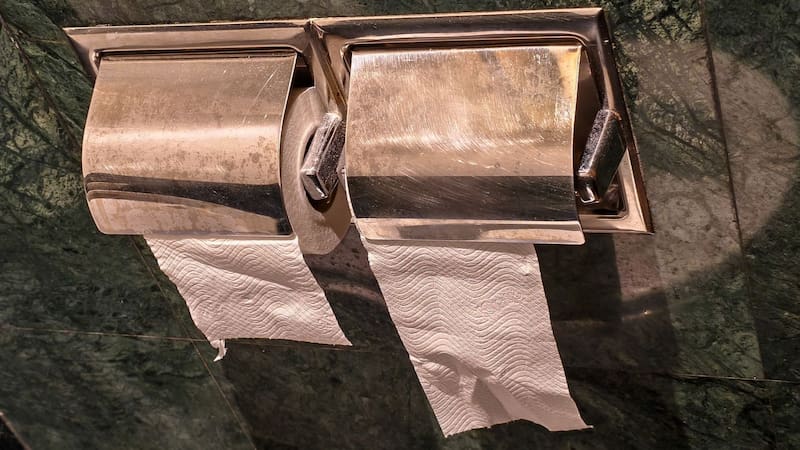
One of its features is that it allows more feet to be packed into a roll of the same size, which is why it is often used in public restrooms, businesses, industrial settings, and other spaces with dispensers.
Two-ply toilet paper, meanwhile, is made of two layers bonded through embossing or lamination. That structure makes for a thicker, softer, and stronger product that feels more comfortable to use.
There are also differences in absorbency and how the paper holds up to moisture. Two-ply usually absorbs more liquid per sheet and stands up better to use, while single-ply, because it is thinner, may require more paper to achieve a similar result.
Which gives you more for your money, and which toilet paper should you buy?
Although single-ply toilet paper usually has more feet per roll, that does not necessarily mean it lasts longer. Because it is thinner, people may need to use more of it each time, while two-ply lets users take advantage of its thickness and absorbency to cut down on the amount used.
According to toilet paper maker New Select, deciding which one to buy requires looking at more than just the final price of the package.
Among the main factors to compare are the price per foot, how much people in the household typically use, and how often the rolls need to be replaced.
Is two-ply toilet paper better than single-ply?
Two-ply is not necessarily better, because while it is softer, thicker, and stronger, single-ply also has advantages depending on where it is used.
For households that prioritize comfort and greater absorbency, two-ply may be a good option. By contrast, for high-traffic bathrooms, offices, stores, or public spaces, single-ply may be more convenient because each roll has more feet and needs to be replaced less often in certain formats.
In the end, the choice depends on use, budget, and personal preference, so comparing performance, not just price, helps find the best option for each need.