
In 2018, Cindy Mora Abarca, a Costa Rican mother, spent nine years saving to buy a lot in the Lámparas neighborhood of Alajuelita, near San Jose. She bought it with a loan, and had no money left to build the home where she would live with her son Fabrizio, who was 6 at the time.
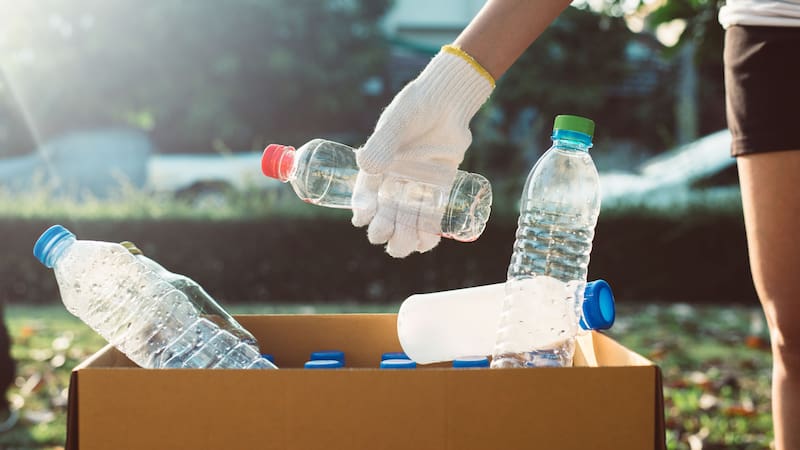
The solution came through a project by Hábitat para la Humanidad Costa Rica, Procter & Gamble, Urbarium and Ekojunto. Some 7 tons of plastic were turned into blocks to build the walls.


How it was built
The system is called Bloqueplas. Its pieces fit together like Legos and do not require specialized labor, so P&G volunteers were able to take part, contributing more than 800 hours of work. About 850 blocks were used.
Construction began on April 23, 2018, and the house was delivered on May 26. Once assembled, the walls were plastered and painted, and the home has the look of other houses in the neighborhood.
Who took part
Cindy Mora already had the lot and submitted her case to qualify for a housing grant, which led her to Hábitat para la Humanidad. P&G donated the project’s resources through its corporate social responsibility program, and Ekojunto provided the block system.
Urbarium, a local organization, led the project in Costa Rica. Together, they made it possible for the lot to become a home for Cindy Mora and her son.
A home and a waste product with a new use
The project addressed two issues at once: housing access for a family that had already bought its lot and the buildup of plastic waste.
Instead of going through the usual disposal process, the recovered plastic was incorporated into the home’s walls.