En esta noticia
Known as Operation TorNado, the 18-month investigation dismantled key segments of hidden online marketplaces used to distribute fentanyl, opioids and other illegal substances, according to the U.S. Department of Justice (DOJ).
Conducted between May 2025 and October 2026, the operation involved law enforcement agencies from 14 countries and was coordinated by the Justice Department’s Joint Criminal Opioid and Darknet Enforcement (JCODE) team in partnership with Europol. Officials described it as the most extensive international enforcement action carried out by JCODE since its creation in 2018.
Dark web operation: where authorities made more than 350 arrests
The international crackdown led to more than 350 arrests, including 132 in the United States. European authorities and law enforcement agencies in Australia and New Zealand also participated in the operation.
According to Europol, the arrests were distributed as follows:
- United States: 132 arrests.
- United Kingdom: 59 arrests.
- Hungary: 45 arrests.
- Germany: 41 arrests.
- France: 23 arrests.
- New Zealand: 13 arrests.
- Netherlands: 12 arrests.
- Slovenia: 11 arrests.
- Austria: 6 arrests.
- Ireland: 5 arrests.
- Czechia: 4 arrests.
- Australia: 1 arrest.
- Finland: 1 arrest.
Montenegro also participated in the international operation, conducting a police visit known as a “knock and talk,” although Europol did not report an arrest there.
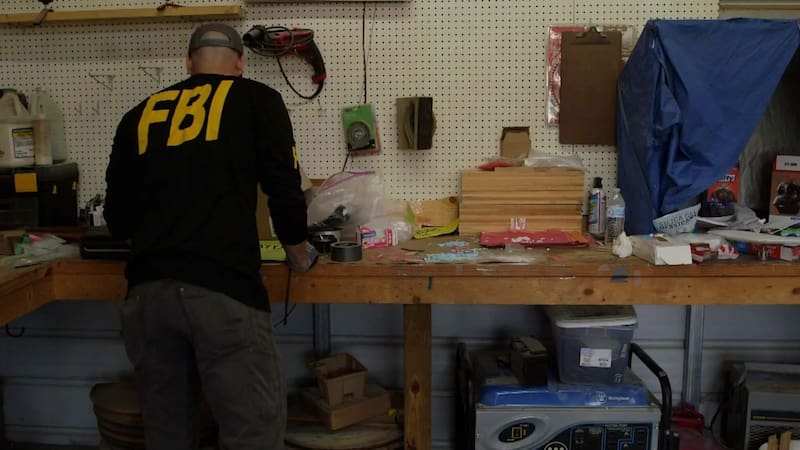
Investigators targeted individuals who had been active on several prominent dark web marketplaces, including Archetyp, Bohemia, Nemesis, Kingdom and Tor2Door. Authorities also identified accounts used by vendors on other platforms, including DrugHub.
The operation built on intelligence gathered after previous law enforcement actions against online marketplaces. Investigators analyzed information from seized platforms to identify the people behind anonymous accounts and develop separate criminal investigations.
More than 5.7 metric tons of drugs and $234 million seized
The financial and physical seizures were among the most significant results of Operation TorNado.
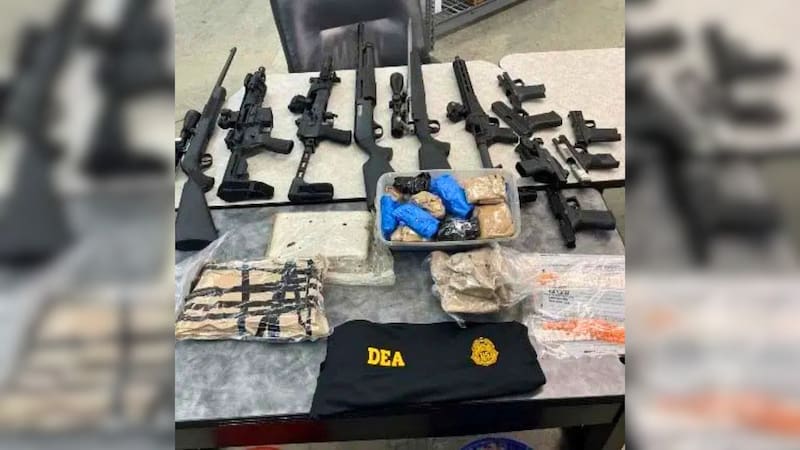
The DOJ reported that authorities confiscated more than $234 million in cash and virtual currencies, approximately 5.7 metric tons of illegal drugs, 209 firearms and 38 pill presses.
The substances seized included:
- Fentanyl and other synthetic opioids.
- Methamphetamine.
- Heroin.
- Cocaine.
- Ecstasy and MDMA.
The FBI also reported that more than 354 kilograms of the drugs seized consisted of fentanyl or fentanyl-laced pills. In the United States alone, authorities confiscated approximately 4.8 metric tons of illegal drugs, 152 firearms and more than $166 million in cash and cryptocurrency.
Europol reported additional seizures across European countries, including approximately 950 kilograms of illegal drugs, 57 firearms and more than €60 million in cash and cryptocurrency.

Investigations into dark web drug networks remain open
The DOJ highlighted several prosecutions involving alleged vendors who used dark web marketplaces to sell counterfeit prescription pills, fentanyl, methamphetamine, heroin and other controlled substances.
One case involved two brothers in Florida accused of operating an online vendor account called BarbaraWhite. Investigators alleged that they sold counterfeit oxycodone pills containing nitazenes, synthetic opioids that can be as potent as or more potent than fentanyl.
Another investigation targeted an alleged vendor known as STARLABS, whom authorities linked to the distribution of fentanyl and methamphetamine through the DrugHub marketplace. The Justice Department emphasized that criminal charges are allegations and that defendants are presumed innocent unless proven guilty in court.
Operation TorNado did not end with these arrests. Authorities noted that the cases exposed how anonymous online drug sales rely heavily on physical distribution networks—including shipments sent through regular postal services—and confirmed that investigations remain underway in several countries to identify additional suspects.