
En esta noticia
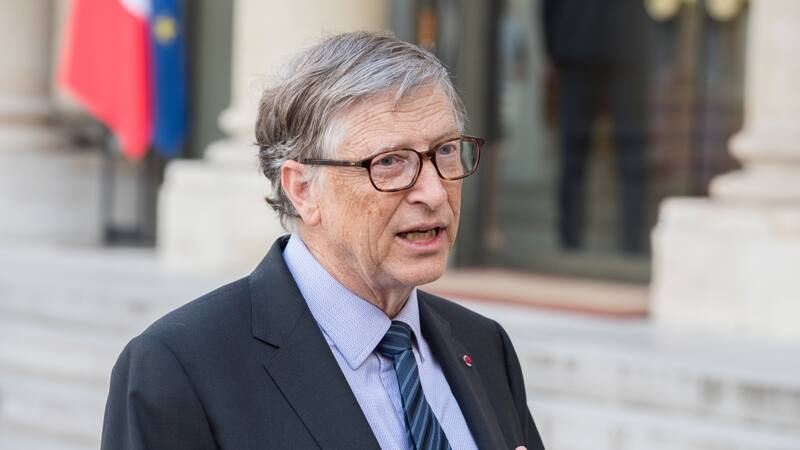
Bill Gates warned that the spread of artificial intelligence (AI) could trigger one of the most turbulent periods in human history. The tech entrepreneur said this transformation will have profound effects on jobs, the economy, and everyday life, because machines can now do tasks that until now depended on human reasoning.

In an essay posted on his official website, the Microsoft cofounder said the world is still not ready to face the changes and that action will be needed to keep the technology from widening inequality.
Bill Gates’ prediction about artificial intelligence
The warning was published Aug. 26, 2026, on Gates Notes, the businessman’s personal website, in an essay titled The turbulent age of AI is already here. The decisions we make now are crucial.
In the piece, Gates wrote: “Even under the best circumstances, the transition to this new era of artificial intelligence will be one of the most turbulent periods in human history.”
The Microsoft cofounder also said artificial intelligence could become a tool to reduce inequality or, on the contrary, a source of injustice, depending on the decisions made by governments, companies, and societies.
What impact will AI have on jobs and cyberattacks?
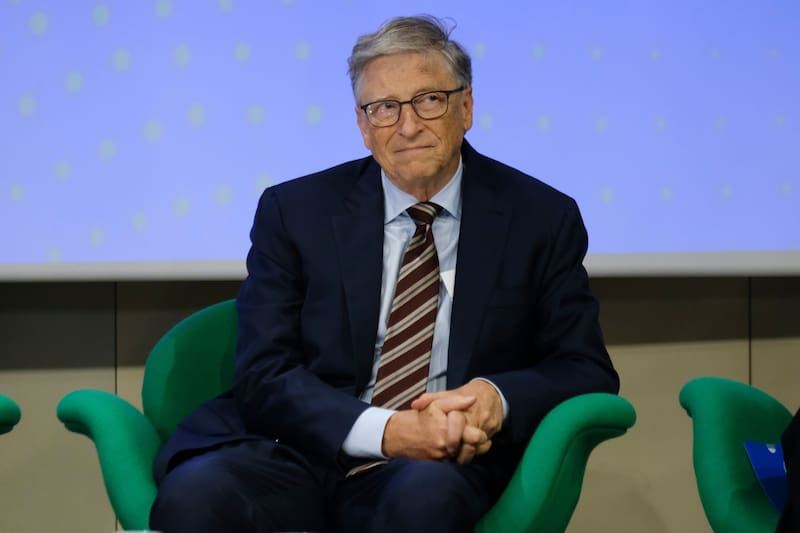
In an interview with the Decoder podcast from The Verge, published Oct. 22, 2026, Gates warned that over the next two or three years, significant negative consequences could emerge in the job market and digital security.
He believes AI could make cyberattacks easier by giving more powerful tools to those looking to exploit computer vulnerabilities. At the same time, automation could affect different jobs and speed up changes that companies and workers are not yet prepared to handle.
Against that backdrop, Gates said young people can use the technology’s capabilities to make an impact and take part in shaping policies to manage its consequences.
In the interview, he said: “If you’re 20 years old today, over this 20-year period, you can take advantage of the things AI still can’t do, use it to make a positive impact and propose policies.”
How will society have to adapt to the rise of artificial intelligence?
Gates also raised the possibility that society could decide to keep certain activities under human control, even if robots and artificial intelligence become technically capable of doing them.
During the interview, he explained that he spoke with an AI system about the possibility of reserving job categories for people and keeping a share of the job market under that condition. Among the alternatives he mentioned were early retirement and shorter workweeks.
“We’ll have to make real decisions,” he said in that sense. He also noted that some communities, such as the Amish, choose not to live on the technological frontier, a choice that could extend to other people in the future.
The transition to AI would last 20 years, according to Gates
Gates estimates the transition could last about 20 years, with winners and losers before a more abundant future is reached. During that time, the combination of artificial intelligence and robotics could make the production of goods and services easier but also create inequality, job problems, and social tensions.
For that reason, he says governments must prepare, establish oversight mechanisms, and make sure the benefits of technology do not end up concentrated in a few sectors.