
En esta noticia
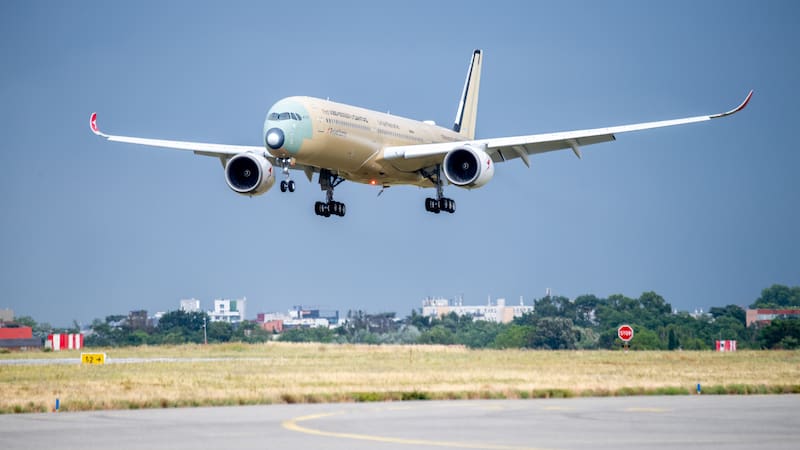
Airbus has begun testing its new A350-1000ULR, an ultra-long-range version aimed at connecting Australia with cities such as London and New York nonstop.
The aircraft was developed by Qantas and includes modifications that will allow it to make flights of up to 22 hours, thanks to an additional fuel system and a cabin layout designed for long-haul travel.
What features does the Airbus A350-1000ULR have?
The A350-1000ULR is designed to cover distances of nearly 10,000 nautical miles (more than 18,500 kilometers). One of its main modifications is the addition of a rear center tank that adds 20,000 liters of fuel and extends the aircraft’s range.
The model also includes changes to its cooling, ventilation, and temperature-control systems, designed so that passengers can travel for many hours in greater comfort.
The aircraft is part of Project Sunrise, a Qantas initiative to connect Australia with international destinations nonstop. According to Airbus, this version can reach flights of up to 22 hours, a capability that opens the door to some of the world’s longest commercial routes.
When will the first Airbus A350-1000ULR aircraft be delivered?
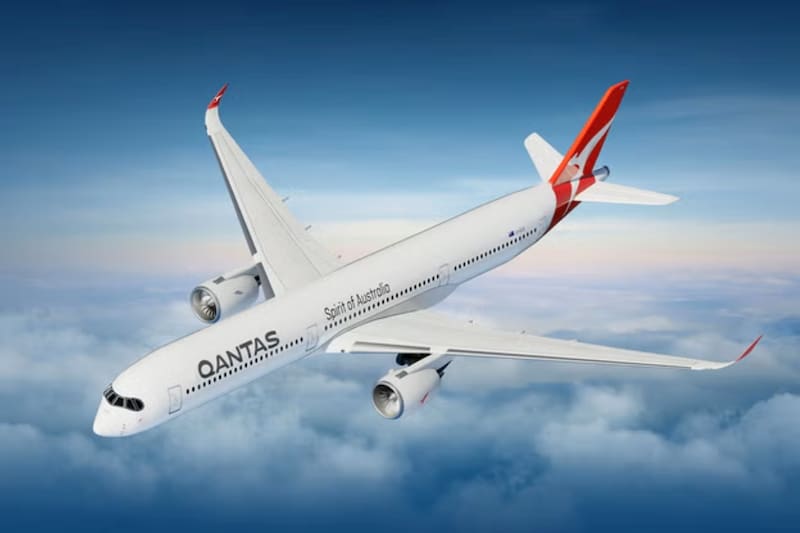
Airbus expects to deliver the first A350-1000ULR to Qantas in April 2027. The manufacturer has already completed the aircraft’s first test flight in Toulouse, France, and has begun a campaign to certify the modifications made to the plane.
The Australian airline ordered a total of 12 of the model to launch its new long-haul connections. The first delivery is scheduled for April 2027, while the project calls for the remaining aircraft to be added gradually.
What will the cabin of Airbus’s new aircraft be like?
The A350-1000ULR will have a premium four-class layout with 238 seats divided among First Class, Business, Premium Economy, and Economy.
Qantas’s planned layout includes six first-class suites, 52 business seats, 40 Premium Economy seats and 140 economy seats. The goal is to offer a more comfortable experience on flights that can exceed 20 hours, with spaces designed for rest and to reduce the strain of long-haul travel.