
En esta noticia
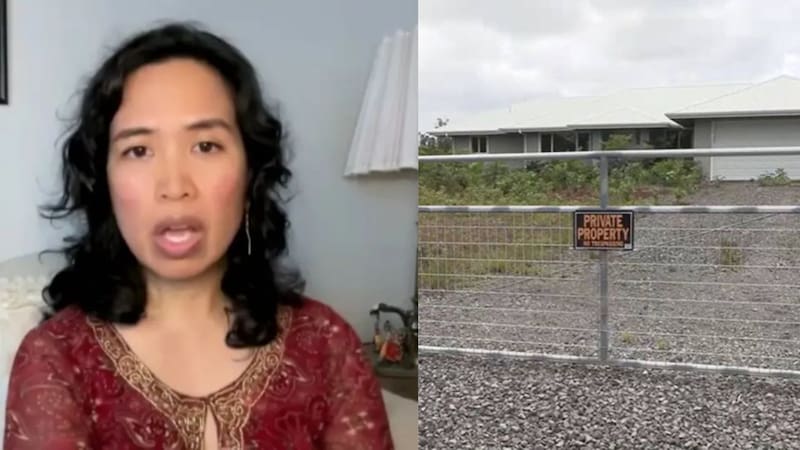
In 2018, Anne Reynolds bought a quiet one-acre lot in Hawaiian Paradise Park, on Hawaii’s Big Island, at a county tax auction for about $22,500. Her plan was to build a home for her two children and host healing retreats for women.

Then the pandemic hit, and she waited in California for the right moment to start. But in 2023, a real estate broker called her with news she never expected. “Oh well, I just sold the house, and it happens to be on your property,” she recalled him saying.
While she was away, a construction company had bulldozed her land and built a three-bedroom house worth about $500,000. And soon, Reynolds would be the one getting sued.
How did the developer build the house in the wrong lot?
The developer, Keaau Development Partnership, had hired PJ’s Construction to build about a dozen homes on lots it owned in the subdivision. But the empty lots there look almost identical and were marked only by telephone poles, with two lots between each pole.
The house ended up on the wrong one. An attorney for the construction company said the developer did not want to pay for surveyors. The mistake was discovered only when the house was being sold.
A house she never wanted
For Reynolds, the house became a burden. Squatters moved in, and her property taxes jumped from about $300 in 2018 to more than $2,000 in 2023. “It was so sad. I cried when I saw it,” she told Business Insider.
The developer offered to trade her the empty lot next door or sell her the house at a discount. She refused both.
She got sued over someone else’s mistake
The developer then sued the contractor, the architect, the county, and Reynolds herself, claiming she had been “unjustly enriched” by the house. “It feels like I did something wrong,” she said.
Her attorney, James DiPasquale, argued that ruling against her “would set a dangerous precedent, if you could go on to someone else’s land, build anything you want, and then sue that individual for the value of it.”

The judge’s final ruling
In June 2024, Judge Robert Kim sided with Reynolds, saying she was likely to win at trial because she was “an innocent victim in this case.” He ordered the house torn down at the construction company’s expense, finding that the builders had worked without a survey.
However, he rejected her request to restore the land to its natural state, calling it impossible.
The developer and the contractor appealed. By then, the stakes were high: the developer was seeking more than $500,000 in damages, while Reynolds was asking for more than $1.3 million.
In May 2025, all sides agreed to drop their claims for good. “There was a confidentiality agreement entered into, so other than basically saying the matter was resolved, we’re not really able to go any further than that,” DiPasquale told the Hawaii Tribune-Herald.