
En esta noticia
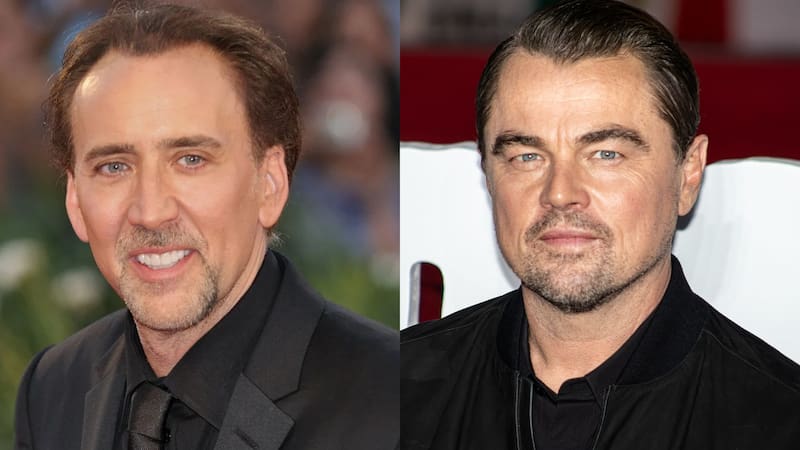
In March 2007, two of Hollywood’s biggest stars found themselves fighting over the same prize at a luxury auction in Manhattan. On one side was Leonardo DiCaprio. On the other, Nicolas Cage, both having a bidding war over a 70-million-year-old skull of a dinosaur, a close cousin of the T. rex.

When the bidding stopped, Cage had won, paying $276,000 for the fossil. What he didn’t know was that the skull had been stolen and that years later, a call from the U.S. government would force him to give it up.
A bidding war between two stars
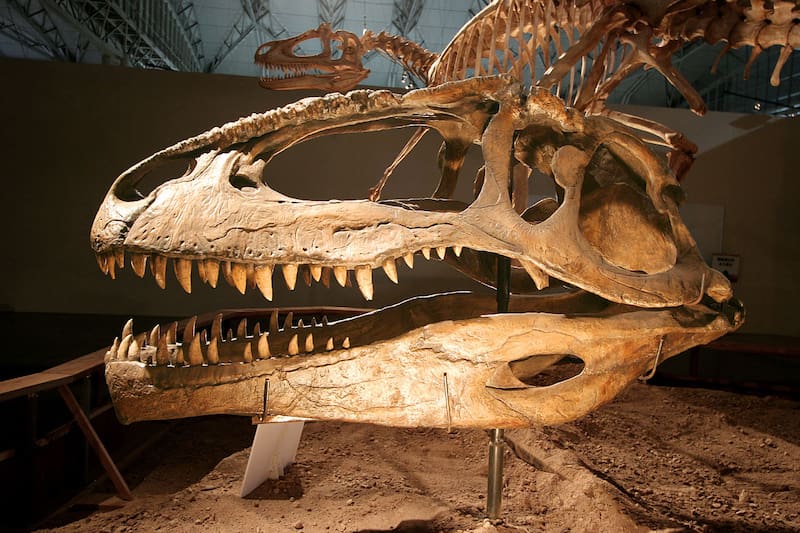
In March 2007, the skull of a Tyrannosaurus bataar, a close relative of the T. rex, was the star item at a natural history-themed luxury auction in Manhattan. It sold for $276,000 to an anonymous buyer.
That buyer was Cage, who purchased it through the Beverly Hills gallery I.M. Chait. According to reports at the time, he outbid another Hollywood star for it: Leonardo DiCaprio.
A fossil from the Gobi Desert
The Tyrannosaurus bataar was a large meat-eating dinosaur that lived about 70 million years ago. Its remains have been found only in Mongolia, which has banned the export of dinosaur fossils since 1924.
The call from Homeland Security
Cage received a certificate of authenticity from the gallery. But in July 2014, the Department of Homeland Security contacted him to warn that the skull might have been stolen, according to his publicist.
Once investigators confirmed that the fossil had been taken illegally from Mongolia, Cage voluntarily agreed to hand it over. In December 2015, the U.S. attorney’s office in Manhattan filed a court action to take possession of the skull and return it to Mongolia. Neither Cage nor the gallery was accused of wrongdoing.
A black market for dinosaur bones
The case was part of a wider effort. Since 2012, prosecutors had recovered more than a dozen stolen Mongolian fossils, many linked to a Florida dealer, Eric Prokopi, who was sentenced to three months in prison in 2014. It was never confirmed whether Cage’s skull was connected to him.
“Each of these fossils represents a culturally and scientifically important artefact looted from its rightful owner,” then-U.S. Attorney Preet Bharara said.
Paleontologists have long warned that private sales hurt research. “We’re losing science, we’re losing education, we’re losing valuable specimens,” Kevin Padian of the University of California, Berkeley, told The New York Times after the 2007 auction.