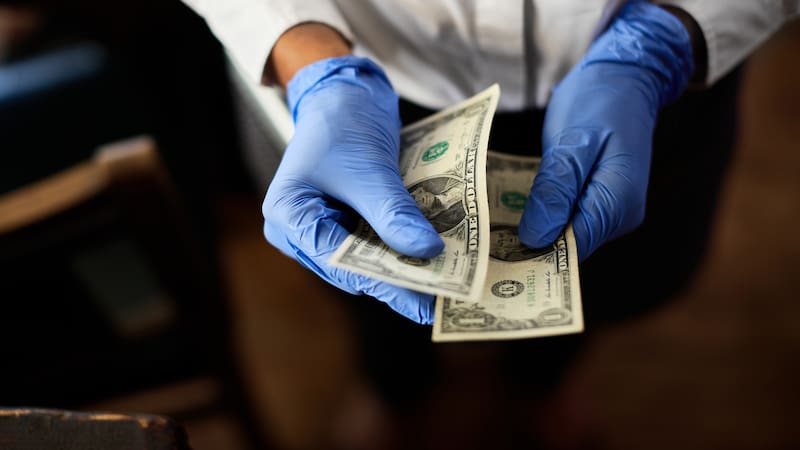

The investigation uncovered a network that collected cash generated by the sale of several illegal drugs and arranged for the money to be transferred across borders through financial transactions and cryptocurrency.
The defendants are Eliomar Segura Torres, 37, Juan Carlos Michel Martinez, 41, and Manuel Ignacio Correa, 45. All three admitted their roles in a conspiracy to launder money obtained through drug trafficking.

How the three defendants moved drug money from the United States to Mexico
According to court documents, Eliomar Segura Torres recruited money brokers by offering them contracts to collect drug proceeds in different U.S. cities, including Lexington, Kentucky.
The cash originated from the sale of kilogram quantities of fentanyl, cocaine, heroin and methamphetamine. Once the money was generated, the brokers coordinated its collection through a network of individuals operating throughout the country.
Two of the defendants, Juan Carlos Michel Martinez and Manuel Ignacio Correa, personally arranged the pickup and laundering of the funds. After the cash was delivered, they provided instructions for moving the money through cryptocurrency transactions or wire transfers.
The operation also generated financial benefits for those involved. Michel Martinez and Correa received commissions calculated as a percentage of the money they successfully laundered.
What sentences do the three Mexican nationals face?
The three defendants pleaded guilty to conspiracy to commit money laundering, a federal offense that carries a maximum penalty of 20 years in prison.
However, their final sentences have not yet been determined. A federal district court judge will consider the applicable U.S. Sentencing Guidelines and other statutory factors before issuing the penalties.
The sentencing hearings are scheduled for different dates:
- Eliomar Segura Torres: February 18, 2027.
- Juan Carlos Michel Martinez: February 18, 2027.
- Manuel Ignacio Correa: March 4, 2027.

The investigation was conducted by the Drug Enforcement Administration (DEA) Detroit Field Division and IRS Criminal Investigation Detroit, with assistance from several other DEA offices in the United States and Mexico.
The prosecution is part of the Homeland Security Task Force (HSTF) initiative, a federal government effort focused on investigating and prosecuting criminal cartels, transnational criminal organizations and other networks operating in the United States and abroad.