
En esta noticia
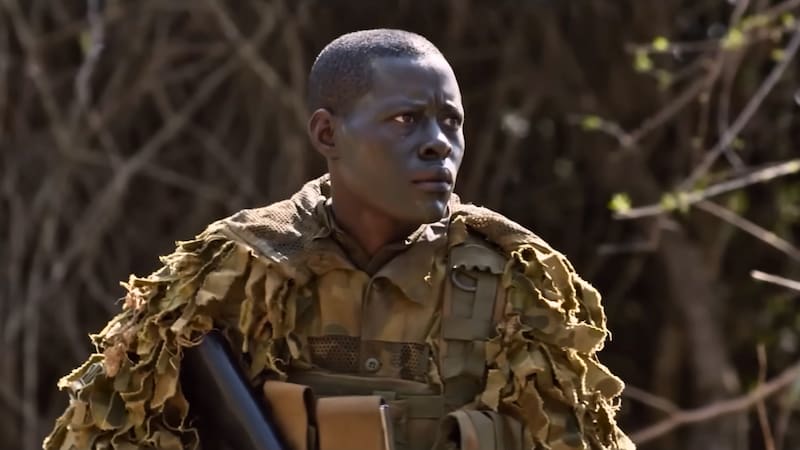
In Africa’s nature reserves, a group of women is taking on one of the biggest threats to wildlife: poaching. Armed, powerful and trained to operate in dangerous situations, they patrol protected lands and go after those who threaten elephants, rhinos and other species.
They are known as Akashinga, which means “the brave ones” in Shona, a Bantu language in the Niger-Congo family spoken mainly in Zimbabwe. This team of rangers is made up of women who receive training to patrol the bush, detect illegal activity and take part in the arrest of poachers.


Their work combines training, patrols and field operations in a job that can put them in dangerous situations. Behind this project is a story of overcoming hardship, but also of concrete results in the fight to protect Africa’s wildlife.
Who Are the Akashinga, the Women Protecting Animals in Africa
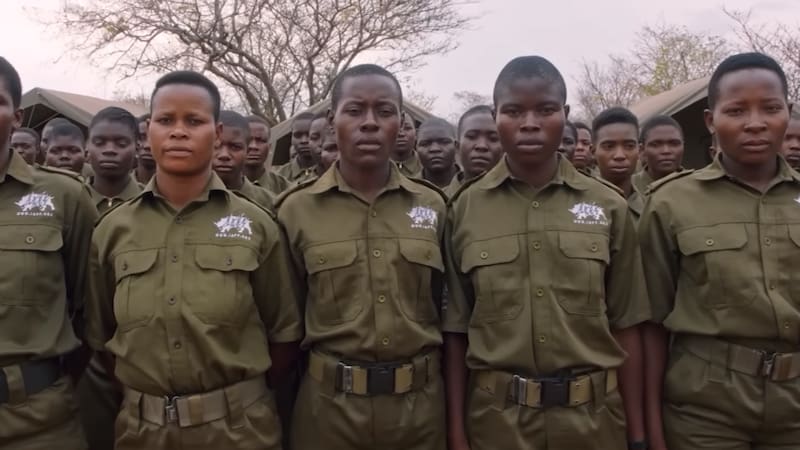
Akashinga is a women’s ranger program that began in 2017 in Zimbabwe’s Zambezi Valley, founded by Damien Mander, creator of the International Anti-Poaching Foundation (IAPF). The initiative aims to combine wildlife conservation with job opportunities for women from the region, and its first class included 16 women.
Many of the first applicants had experienced abuse, domestic violence, abandonment or hardship at home. For them, joining the team also meant getting a job, earning money to eat or send their children to school, and gaining independence.
How Akashinga Trains to Face Poachers and Make Arrests
The African rangers receive demanding training, modeled on special forces standards and training that includes rifle handling, terrain-recognition and surveillance techniques, physical training, self-defense and coordinated teamwork. The organization says its first members began with a selection course designed to assess their endurance and ability to work together.
But their work does not stop at patrolling protected areas; they also take part in operations to investigate illegal activity and arrest suspects, in coordination with authorities. During one operation, they entered a house where they found antelope skins and arrested a man suspected of ties to poaching.
Akashinga Operations: Hundreds of Arrests, Rescued Animals and Confrontations With Poachers
The results of their work also appear in the organization’s impact reports. According to the official 2021 report, Akashinga carried out 208 operations in the areas under its protection and contributed to 351 arrests. During that period, its teams seized 11 illegal weapons, recovered 202 elephant tusks, 32 pangolins, removed 259 animal snares and recovered hides from various species, including leopards, lions and cheetahs.
Akashinga’s 2023 impact report, published by the organization and hosted on Candid, recorded 875 patrols covering more than 10,000 kilometers and 319 arrests across the organization. That year, they recovered six live pangolins, which were moved for a safe return to their habitat.
Akashinga’s official website also says that, since the program began, elephant poaching has fallen by 90% in the areas where it operates. The result reflects the impact of the monitoring and conservation work carried out by the rangers to protect one of Africa’s most threatened species.