
En esta noticia
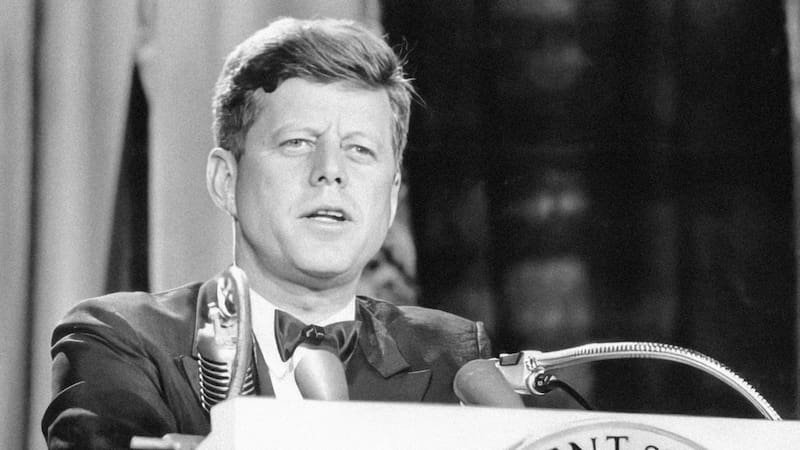
John F. Kennedy was one of the most remembered presidents in U.S. history. Born in Massachusetts in 1917, he entered the White House in January 1961 at just 43 years old and became the youngest president elected by popular vote in the country’s history.

His presidency was marked by momentous decisions and speeches that left a lasting mark on American politics. Among his most famous statements is a reflection he made during his inauguration that has resonated across generations.
The January 20, 1961, inaugural address helps reconstruct the context and understand the meaning of one of the most iconic statements of his career.
When and why John F. Kennedy said, “Ask not what your country can do for you. Ask what you can do for your country”
John F. Kennedy delivered this famous line on January 20, 1961, during his inaugural address as president of the United States. The ceremony took place in Washington, D.C., in front of the Capitol and marked the start of his term as the country’s 35th president.
According to the U.S. National Archives (Nacional Archives and Records Administration), Kennedy wanted his speech to be short, clear, and free of partisan references, with special attention to foreign policy.
The agency explains that the president called on citizens to take part in public service and confront problems such as tyranny, poverty, disease, and war.
The international context helps explain why he chose that message because in 1961, the United States and the Soviet Union were in the Cold War, a political, ideological, and military conflict that shaped international relations. In his speech, Kennedy addressed both his fellow Americans and other countries and called for renewed efforts to preserve freedom, avoid war, and promote cooperation among nations.
What John F. Kennedy’s quote means
With this statement, Kennedy proposed changing the way people understood the relationship between citizens and their country. Instead of focusing only on the benefits, rights, or opportunities the government could offer, he also urged people to think about their individual responsibilities and the actions each person could take to contribute to the common good.
The meaning of his words becomes clearer when reading the full closing of the speech. The former president did not limit his message to Americans because immediately afterward, he turned to people around the world and asked them to think about what they could do together for human freedom, expanding his call from national commitment to international cooperation.
That is how the transcript preserved by the U.S. National Archives records it.