
En esta noticia
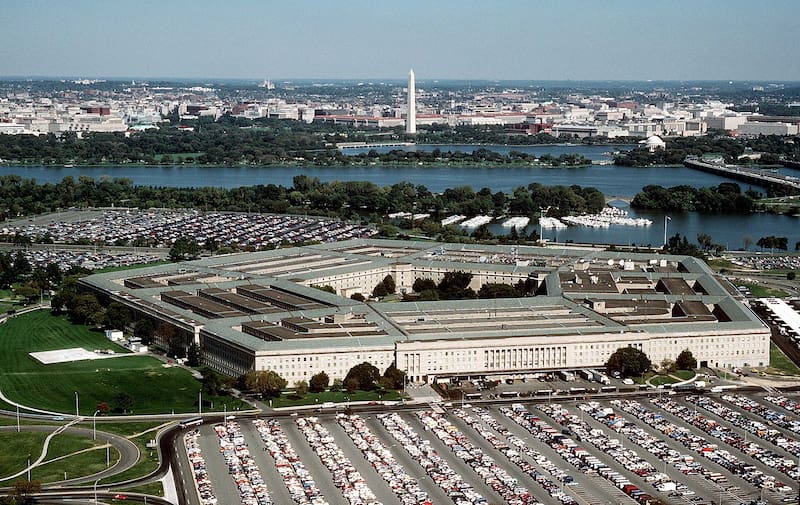
Every major military base in the continental U.S. would have to operate for at least 90 days on its own power, water, fuel and communications if a major war takes down the grid, under a requirement the Pentagon is developing for its FORTRESS plan.
The standard appears in internal planning documents reviewed by Fox News Digital, which reported it Sunday. The Pentagon has not made it public.
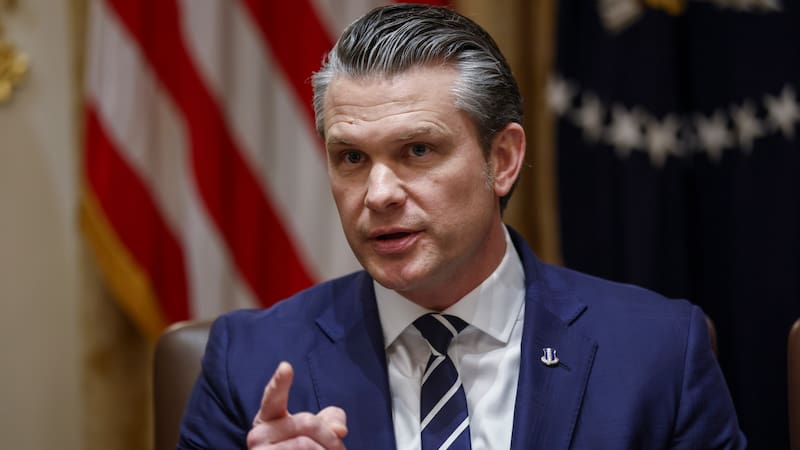
Defense Secretary Pete Hegseth announced FORTRESS — Federal Operations for Resilience, Troop Resources, Energy, Supply, and Survivability — in a Sept. 30 speech. At the time, his promise for bases covered only electricity: each major installation would produce its own, off the civilian grid.

How would US bases run 90 days on their own power, water and fuel?
According to the documents, bases would rely on battery banks, microgrids and portable nuclear reactors. A microgrid is a self-contained local power network that can separate from the civilian grid and keep a base running through an extended blackout.
Sean Parnell, the Pentagon’s chief spokesperson, who led the initiative, told Fox News Digital that “power is combat now.” A base that loses electricity, he said, also loses water, logistics, communications and its command structure.
To keep communications up, the plan would protect navigation and satellite systems so troops can keep operating if GPS is jammed or space assets go down.
What else is in the Pentagon’s FORTRESS plan for a global war?
Hegseth pitched FORTRESS as a “national insurance policy for the American homeland,” and much of it deals with supplies rather than base utilities. It would build stockpiles of fuel, munitions, medical supplies, spare parts, electronics and critical minerals.
Each stockpile would be sized to how fast the item gets used in wartime and how long production takes to catch up. The military’s most critical needs would also require at least two qualified sources, so no single plant or vendor becomes a point of failure.
Civilian industry is part of the plan as well. FORTRESS absorbs the Civil Reserve Manufacturing Network, an existing program that lines up commercial factories ready to retool for defense work, with contracts and cybersecurity terms settled before any crisis.
Why is the Pentagon preparing US bases for a global war?
Parnell told Fox News Digital that running national defense on civilian municipal infrastructure is “an intolerable risk.” He said the next major conflict will likely be fought on several fronts and will break global supply chains.
The Pentagon hasn’t said which country FORTRESS is aimed at. In his speech, Hegseth said, “We are not looking for war, but we will be prepared if one comes.”
In a February 2024 advisory, the Cybersecurity and Infrastructure Security Agency, the National Security Agency and the FBI said a Chinese state-sponsored group called Volt Typhoon had gained access to U.S. energy, water, communications and transportation networks.
The agencies said the hackers may have been preparing to disrupt those services in a future conflict.
When will the Pentagon’s FORTRESS 90-day standard for US bases take effect?
There’s no timeline or cost estimate yet. About 500 bases in the continental U.S. are still being assessed, a senior defense official told reporters Oct. 20, adding that meeting the goal everywhere could take decades.
Some programs are already underway, the official said, while other parts of the plan could take years.
Hegseth’s follow-up memo gave Pentagon teams until Friday Oct. 30 to set up a FORTRESS office, which will report to Michael Duffey, under secretary for acquisition and sustainment. The department now also goes by the Department of War.