
En esta noticia
Hard-boiled eggs are a simple, versatile dish, but there is a trick that can improve the result after boiling: a method recommended to cool them quickly and keep them from continuing to cook in the residual heat.

The process, known as an ice bath, has several benefits beyond simply lowering the temperature.
In addition, rapid cooling can make it easier to peel the shell, making it a practical kitchen step.
Why experts recommend soaking hard-boiled eggs in ice water after boiling
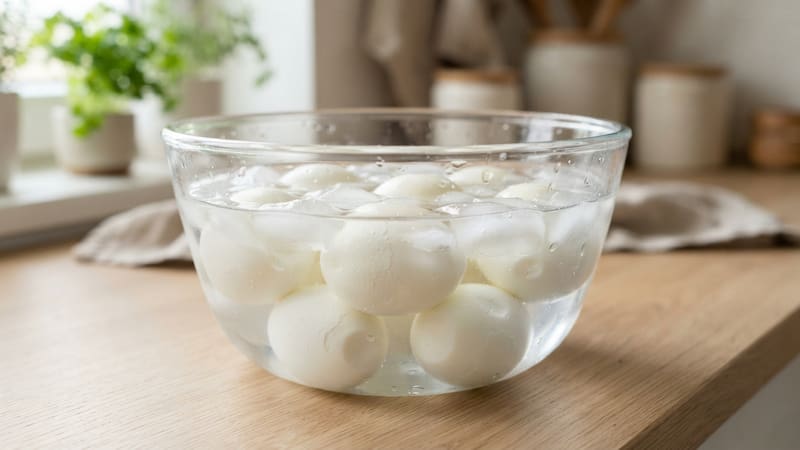
Plunging freshly boiled eggs into a bowl of ice water quickly stops the cooking. Even after the pot is removed from the heat, the warmth trapped inside the egg can keep it cooking and change the texture of the white and yolk. The University of Wyoming Extension recommends using an ice bath immediately after cooking to prevent the process from continuing and to produce eggs with better texture.
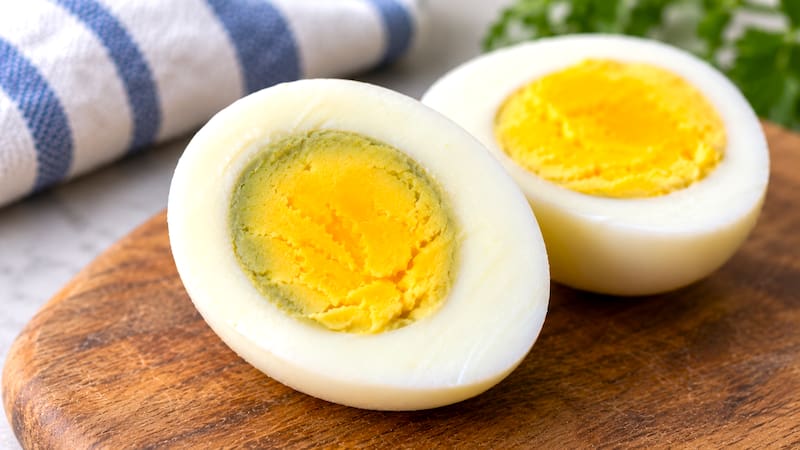
Another benefit is that it helps prevent a gray-green ring from forming around the yolk, which can happen when eggs are cooked too long. This change is linked to a reaction between the iron in the yolk and the sulfur in the white, encouraged by heat. That is why cooling them quickly helps preserve the yolk’s appearance and avoid overcooking.
How to make an ice bath to make hard-boiled eggs easier to peel
The process is simple: before the cooking is finished, prepare a container with cold water and several ice cubes. Once the eggs are boiled, carefully remove them from the pot and submerge them completely. The University of Maine Extension suggests leaving them in the ice water for about 10 minutes, until they cool down.
Cooling can also make peeling easier because it helps the white separate from the membrane just under the shell. The University of Idaho Extension includes the ice water bath among its recommendations for making eggs easier to peel.