
En esta noticia
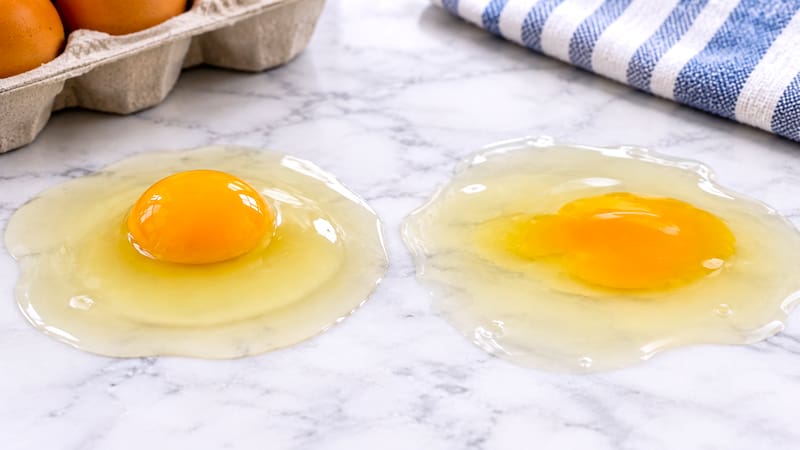
When you crack the shell of an egg, it’s common to find a firm, round yolk, but the yolk may also look flattened and misshapen. The U.S. Department of Agriculture explains why that difference occurs.
In fact, the agency’s quality standards define and measure egg quality based on the appearance of the shell and yolk, with shape playing an important role: AA quality is the best, followed by A and then B.

Eggs with round yolks or flattened yolks: What’s the difference?
The agency explains that as eggs age, their membranes and the yolk’s own tissues weaken, or the white transfers some of its water. In these cases, when the egg is cracked open, the yolk becomes watery and flattens, which means the egg is grade B quality.
“A freshly laid egg yolk is round and firm. As the yolk ages, it absorbs water from the albumen, which increases its size and causes it to stretch and weaken the vitelline membrane, taking on a somewhat flattened shape at the top,” explains Mississippi State University.
When to Use Each Type of Egg
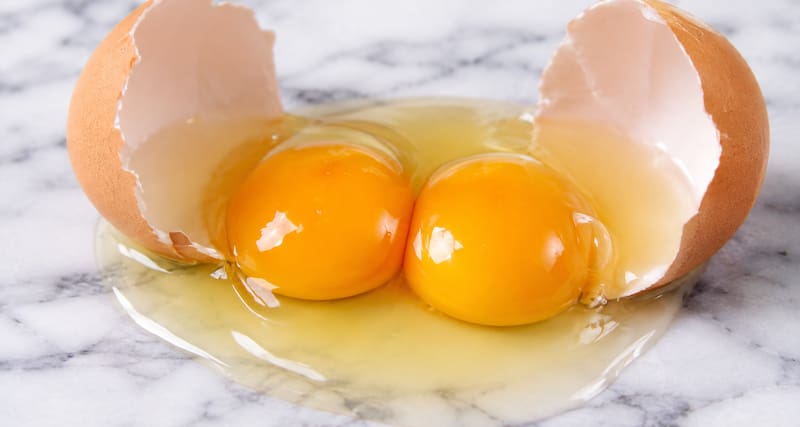
Both eggs are safe to eat, although the USDA has recommendations for how to use each one.
For baking, for example, the advice is to use the highest-quality eggs, meaning AA or A, while for making hard-boiled eggs, it is recommended to choose lower-quality eggs, meaning grade B.
To find the optimal quality period for each type of egg, check the “best before” or “sell by” dates stamped on the ends of the cartons.