
En esta noticia
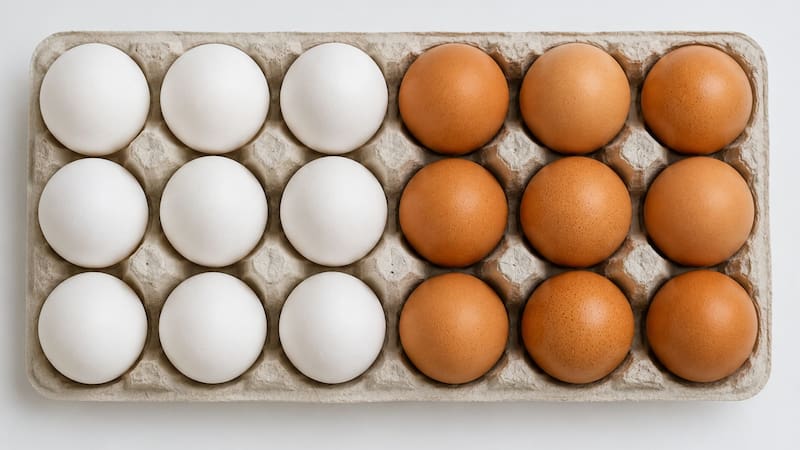
Eggs are one of the most widely eaten foods because of their protein content. But when it comes time to buy them, one question comes up: Is it better to choose white-shelled eggs or brown-shelled ones? Although many people believe the latter are more nutritious, the difference between the two is much simpler than it may seem.
According to the U.S. Department of Agriculture (USDA), shell color depends on the hen’s breed and does not determine nutritional quality.
So before choosing one or the other, it helps to know what actually changes, which has more protein, and what to look for when buying fresh, safe eggs.

Why Some Eggs Are White and Others Brown
The color difference is linked to the genetics of laying hens. Some breeds produce white-shelled eggs, while others lay brown eggs because they produce pigments as the shell forms.
That means color does not show whether an egg is more natural, healthier, or higher quality. It also does not indicate whether the hen was fed a special diet or raised outdoors.
In other words, a brown egg is not necessarily better than a white one. The shade mainly reflects the animal’s breed.
Which Egg Has More Protein and Vitamins?
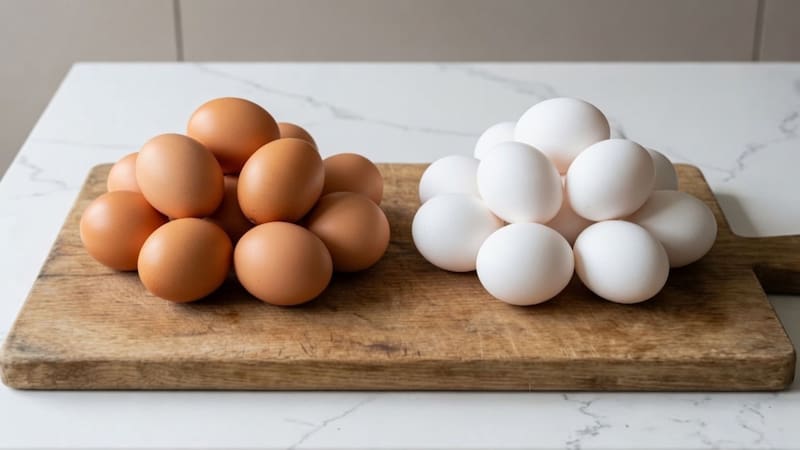
White and brown eggs have practically the same nutritional value. Neither provides more protein, vitamins, or minerals simply because its shell is a certain color.
The USDA says there are no significant nutritional differences between the two varieties. That is why people looking to add protein to their diet can choose either one.
An egg’s makeup can vary because of other factors, such as the hen’s diet, but not because of the shell’s outside color.
It is also important to distinguish shell color from yolk color. The yolk can range from more yellow to more orange depending on the animal’s diet.
How to Choose Fresh, High-Quality Eggs
Beyond whether they are white or brown, there are a few features worth checking before buying eggs.
Argentina’s National Service for Agrifood Health and Quality (SENASA) sets criteria for identifying a fresh egg that is safe to eat. These include the condition of the shell and the characteristics of its contents.
When choosing them, it is recommended to:
- Check that they have no cracks or breaks.
- Avoid eggs with visible dirt.
- Check the expiration date.
- Choose properly labeled products.
- Make sure they have been stored under proper conditions.
Freshness, handling, and storage matter far more than shell color.

Can You Eat Eggs Every Day?
Yes. Eggs can be part of a daily diet. In fact, Argentina’s Dietary Guidelines for the Population recommend including up to one egg a day.
This food provides high-quality protein, vitamins and minerals. It is also an affordable option that is easy to add to different meals.
However, people with high cholesterol or cardiovascular problems should pay attention to how much they eat and consult a health professional for personalized advice.
To get the most out of its nutrients and reduce risks, it is also important to cook it thoroughly and keep it refrigerated in its original packaging.