
En esta noticia
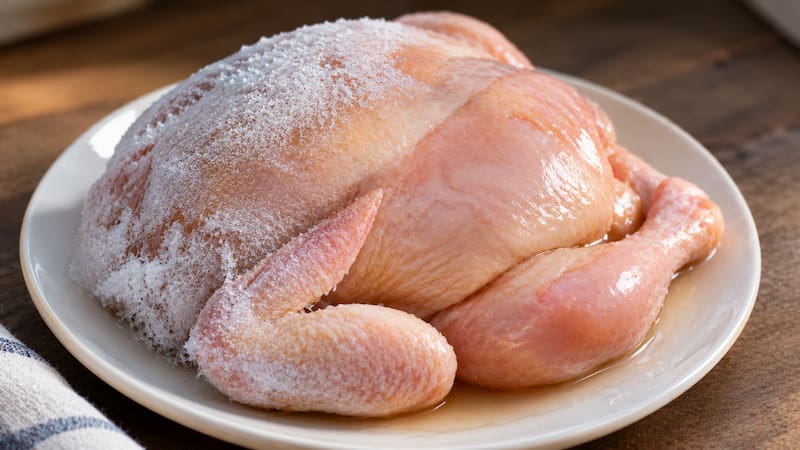
Chicken is one of the foods that requires the most care during storage, especially when it is thawed to prepare a meal and then put back in the freezer.
Although many people think freezing it again keeps it safe without any problems, there are conditions that must be followed to avoid health risks.
What happens to chicken when it is thawed and then frozen again?
When chicken is thawed and then frozen again, it undergoes physical changes that can affect its quality. During thawing, the ice crystals that form inside the meat melt and release some of the water held in its tissues. When it is frozen again, new crystals form that can change its structure.
As a result, chicken can lose juiciness, develop a drier or more fibrous texture, and change some of its original characteristics. The more often this process is repeated, the greater the changes in quality can be.
What are the health risks of this habit?
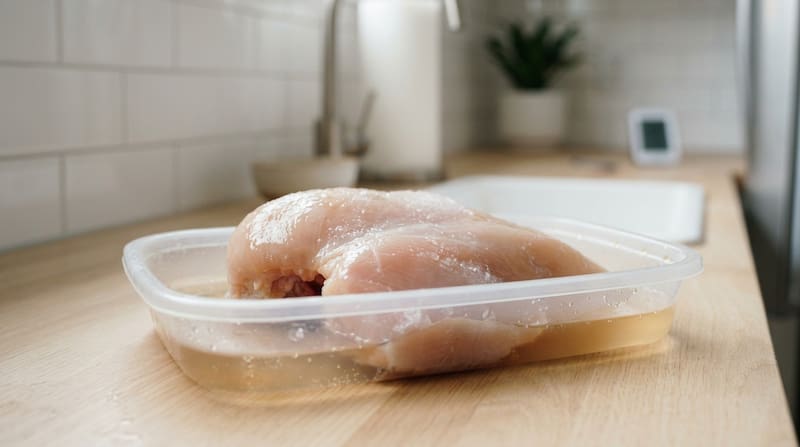
The main risk of thawing and refreezing chicken is bacterial growth. When the meat warms up and stays too long outside proper refrigeration conditions, microorganisms can multiply and increase the risk of food poisoning.
Bacteria that can be found in raw chicken include Salmonella and Campulobacter, which are linked to gastrointestinal infections. Their presence can cause:
- Diarrhea.
- Nausea and vomiting.
- Abdominal pain.
- Fever.
- Dehydration in more serious cases.
Freezing does not guarantee that these microorganisms will be eliminated. That is why putting chicken back in the freezer does not reverse the risks caused by improper storage or make food that has already been exposed to dangerous temperatures safe.
How can you tell whether chicken is still safe to eat?
To determine whether chicken can be eaten after thawing, it is important to consider the conditions under which it was stored. A bad smell, color changes, and a slimy texture can be signs of spoilage, although the absence of these signs does not guarantee the food is free of dangerous bacteria.
You also need to pay attention to the thawing time and method. The U.S. Department of Agriculture’s food safety recommendations (USDA) set out the following guidelines:
- Thawed in the refrigerator: If the chicken stayed refrigerated at 40°F or below, it can be frozen again without being cooked first.
- Thawed in cold water: It must be cooked before being frozen again.
- Thawed in the microwave: It must be cooked immediately before being put back in the freezer.
- Thawed at room temperature: If it stayed out of refrigeration for more than two hours, it should be discarded.
Finally, to reduce the risk of contamination, chicken should be cooked to an internal temperature of 165°F. This is the minimum recommended temperature to kill dangerous microorganisms, including Salmonella and Campylobacter.