

En esta noticia
Immigrants living in the United States who have permanent residency can face immigration consequences if they are arrested for driving under the influence of alcohol or drugs. In certain circumstances, these records can put their legal status at risk and open the door for authorities to review whether they can remain in the country.

The U.S. Citizenship and Immigration Services (USCIS) has specific checks for foreigners with incidents classified as “Driving Under the Influence” (DUI), especially when they are driving with a suspended, revoked, or restricted license. These situations can trigger additional reviews and, depending on the circumstances, jeopardize the Green Card.
How can a DUI put permanent residency at risk and lead to revocation?
Foreigners who already have a Green Card can face immigration consequences if they are arrested or convicted of driving under the influence of alcohol or drugs.
Certain circumstances stemming from a DUI arrest can lead authorities to review whether the permanent resident still meets the legal requirements to remain in the United States.
One of the situations that can create the biggest problems is when the incident reveals criminal conduct that falls under the deportation grounds in the Immigration and Nationality Act (INA). For example, certain convictions involving controlled substances or crimes involving moral turpitude can lead to removal proceedings, as long as the requirements set out in federal law are met.
In these cases, loss of permanent residency can result from an immigration proceeding in which authorities determine that a legal ground for deportation exists. So it is not the DUI arrest itself that directly revokes the Green Card, but the legal consequences that may stem from the criminal and immigration case.
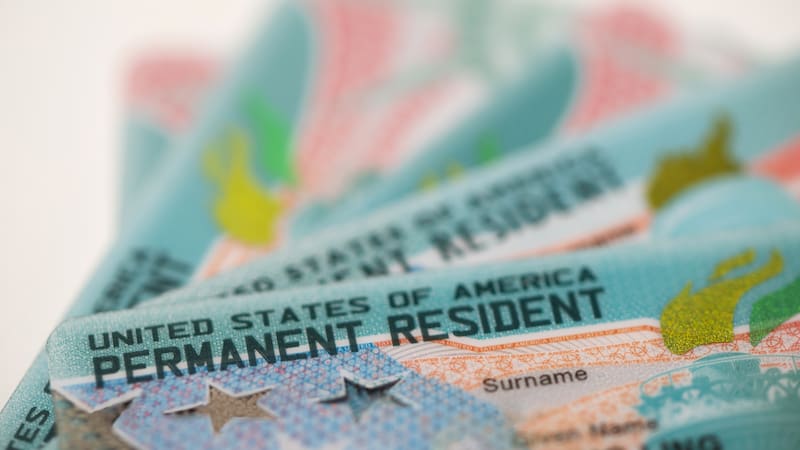
Can a DUI lead to the deportation of an immigrant in the United States?
The arrest can bring the immigrant into contact with federal authorities and make it easier for them to review the person’s criminal and immigration history.
This happens because, when a person is arrested and booked into jail, police typically take fingerprints. Through the information-sharing system known as Secure Communities, those records are sent to the FBI, which shares them with the Department of Homeland Security (DHS) to compare them with its immigration databases.
If the system identifies an immigration record, ICE (Immigration and Customs Enforcement) can receive a notice and review the detainee’s situation. Agents can check the person’s record and determine whether any irregularity justifies starting deportation proceedings.
In that context, the DUI can serve as the event that reveals other immigration problems. For example, ICE could discover a prior conviction that makes the foreign national deportable, a pending removal order, or an immigration violation that had not previously been detected.
That is why deportation proceedings do not necessarily rest on the DUI that led to the arrest, but on another legal ground that authorities uncover during the review of the case.