

En esta noticia
A source of fiber -both soluble and insoluble-, phosphorus, thiamine, magnesium and zinc, oats are an extremely popular food not only for their culinary versatility, but also for their health benefits.
According to the Harvard T.H. Chan School of Public Health, compounds in this grain, commonly used to make breakfast, are linked to a range of positive effects on digestion and cholesterol, among others.


What happens to your body when you eat oats
The school notes that one of the main benefits of adding oats to your daily routine is its soluble fiber, which comes in the form of beta-glucan and can slow digestion and increase feelings of fullness.
It also explains that the fiber in this food helps bind cholesterol-rich bile acids in the intestine, carrying them through the digestive tract and making it easier for the body to eliminate them.
On the other hand, when the oat grain is eaten whole, it also provides phenolic compounds and phytoestrogens that may act as antioxidants and reduce the effects of chronic inflammation, which, as Harvard explains, is linked to cardiovascular disease and diabetes.
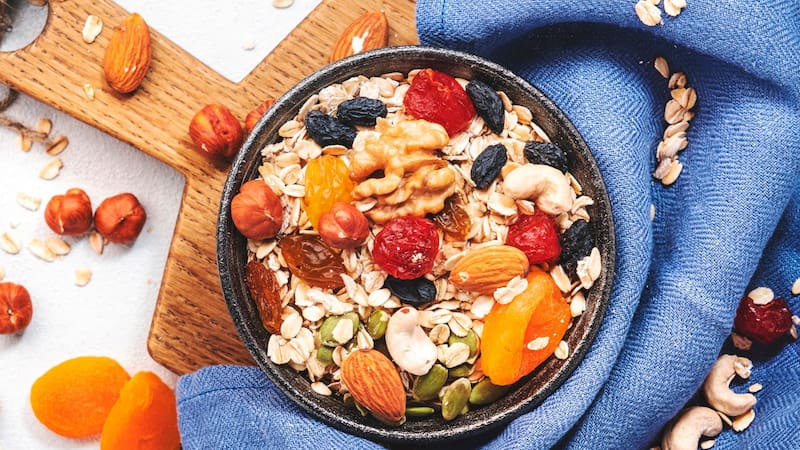
How to make oats for breakfast and take advantage of their benefits
One of the recipes shared by the school suggests preparing the oats the night before so breakfast is ready when you wake up. The steps are:
- Add 1/2 cup of non-instant oats to a medium jar
- Add between 1/2 cup and 1 cup of cow’s milk or plant-based milk
- Add 1/2 cup chopped fruit
- You can add spoonfuls of Greek yogurt, some chia or flax seeds, nuts or spices (optional)
- Cover the jar and shake until all the ingredients are mixed
- Refrigerate overnight
“The oats will soften and the mixture will thicken to a pudding-like texture,” it says.