
En esta noticia
Many people may think that cleaning and disinfecting are the same thing. However, the United States Environmental Protection Agency (EPA) establishes differences between the two practices, since not all products yield the same results.
On its official website, the agency presents a chart explaining the differences between cleaning and disinfecting. This material was prepared in the context of the COVID-19 pandemic.
What is the difference between disinfecting and cleaning?
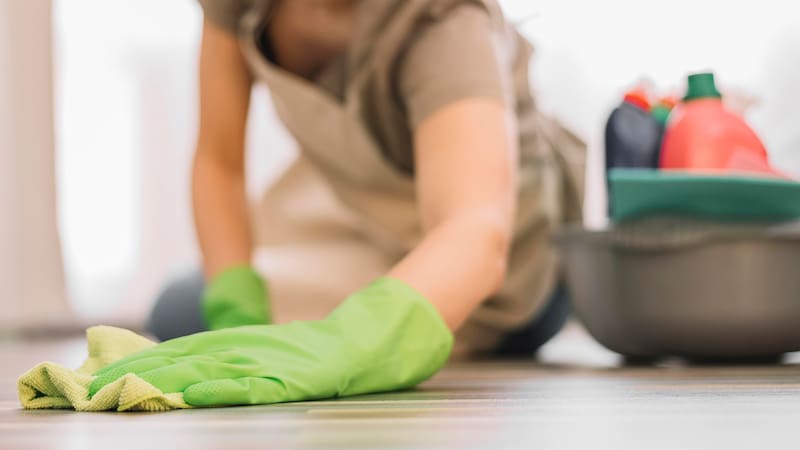
According to the EPA website, cleaning allows the removal of dirt and organic matter from surfaces, including mineral deposits, grease, and dust, among other residues.
For its part, sanitizing reduces the amount of bacteria present on surfaces through the use of specific chemical products. However, these products are not necessarily designed to fight viruses, so disinfection is more useful, a process that allows viruses and bacteria to be eliminated or inactivated through suitable products.
What products can be used to clean and disinfect?
According to the Centers for Disease Control and Prevention (CDC) in the United States, the products used to clean and disinfect serve different functions.
For cleaning, the CDC recommends using water and soap or household detergents suitable for each surface. These products can help remove dirt, impurities, and much of the microorganisms present.
For disinfection, the CDC specifies certain compounds capable of inactivating viruses, bacteria, and other microorganisms:
- Ethyl or isopropyl alcohol, at concentrations between 60% and 90%, can have effective bactericidal activity.
- Sodium hypochlorite or bleach is used to disinfect resistant surfaces and can act against bacteria, viruses, and fungi when properly diluted and applied.
- Hydrogen peroxide, better known as peroxide, is used in certain disinfectant formulations, although its effect may vary depending on the concentration and application conditions.
The CDC clarifies that it is important to clean before disinfecting, since dirt can hinder the action of chemical products on microorganisms. In addition, it is warned that different cleaners or disinfectants should not be mixed, especially bleach with ammonia or acidic products, as toxic gases can be generated.
How often should you clean and disinfect?
On the CDC’s official page, it is recommended to implement a regular cleaning routine, since this helps prevent the spread of microorganisms in the home and makes it less necessary to disinfect all surfaces daily.
The frequency depends on the use of each space, the buildup of dirt, and the health conditions of those who live in the home.
It is recommended:
- Frequently touched surfaces: regularly clean light switches, door handles, and countertops, especially after receiving visitors.
- Other surfaces in the home: clean when they show visible dirt or when necessary.
- Homes with young children or immunocompromised people: increase the frequency of cleaning and consider disinfecting.
- When someone is ill: complement cleaning with disinfection to reduce the risk of disease transmission.
- Surfaces that came into contact with raw meat: clean and then sanitize the contaminated areas, including food preparation areas.