
En esta noticia
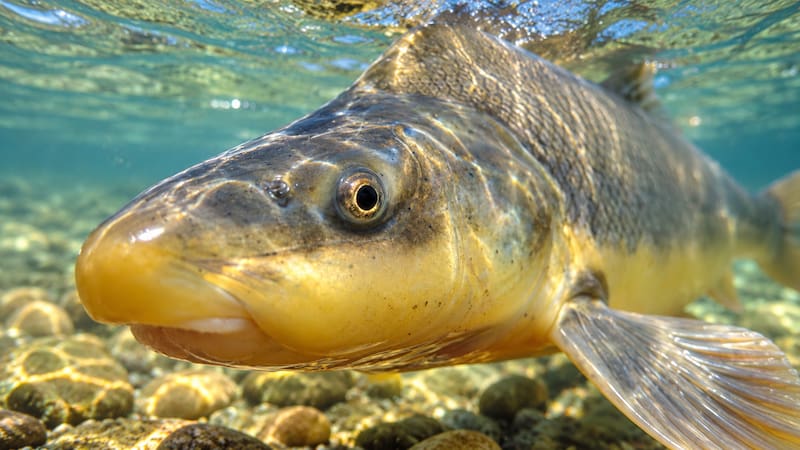
The U.S. Fish and Wildlife Service confirmed that after more than 30 years under the endangered category, the razorback sucker (Xyrauchen texanus) has been reclassified, marking a milestone for the country’s wildlife.
This fish is one of the largest in the U.S. and although it is no longer under a critical label, it is still not out of danger, so efforts to preserve it remain necessary.


Colorado River razorback sucker: the fish that is no longer endangered
In 1991, the razorback sucker, or razorback sucker, was placed on the endangered species list and had previously been considered at risk and protected under Utah law (1973) and Colorado law (1979).
Now, according to what authorities announced, it was reclassified as a “threatened species” under the Endangered Species Act thanks to population growth.
To achieve this, conservation measures were taken that included breeding and releasing fish, controlling nonnative species, monitoring river flows and restoring habitats, among other actions.
With the reclassification, limited capture of specimens was also authorized so conservation-related actions for the species can be carried out.
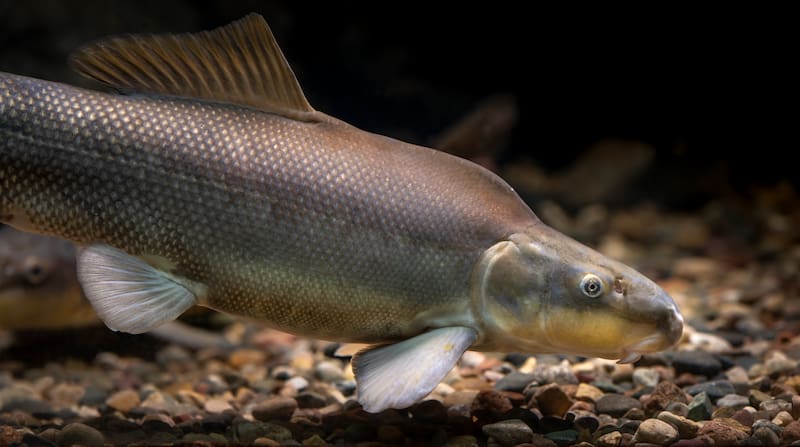
What the razorback sucker is like, now considered a threatened species
The fish is native to the Colorado River basin and is one of the largest fish in U.S. wildlife, with a length that can exceed 90 meters.
It can weigh up to 4.5 kilograms, and experts say it can survive in a range of temperatures and live in calm water. In the United States, it is usually found in Arizona, Colorado, California, New Mexico, Nevada and Utah.
The animal now has eight populations, and the largest of them reflects its return from 1990 to the present: At that time, there were only 100 specimens, but now there are about 36,000 adult fish.