
En esta noticia
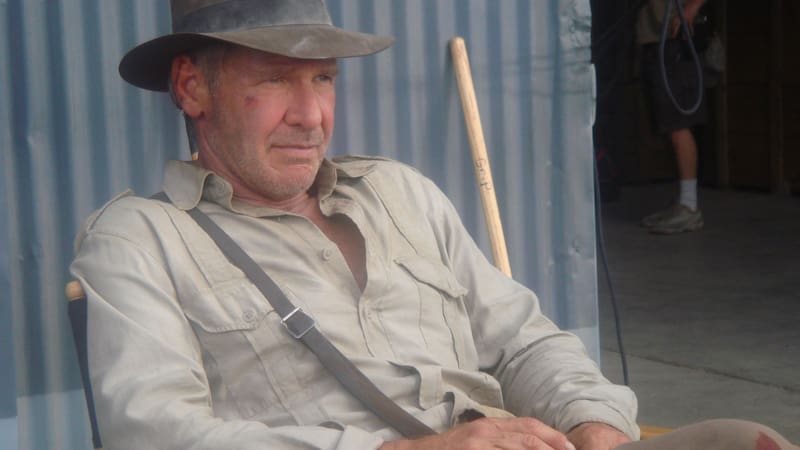
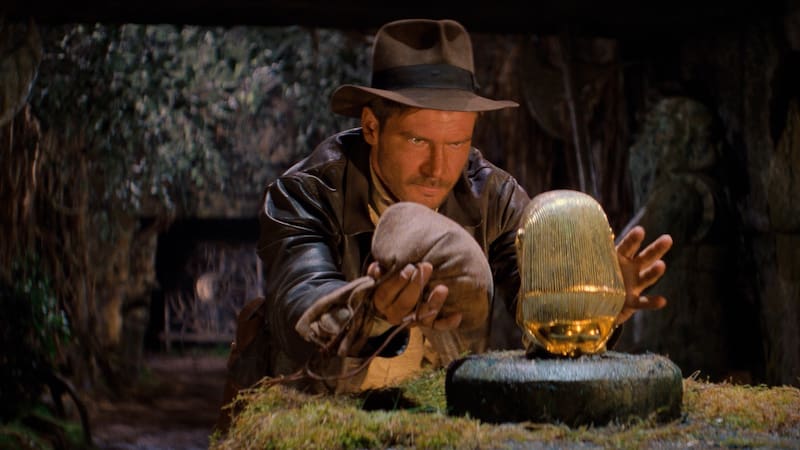
Harrison Ford is known for playing some of Hollywood’s most recognizable characters, from Indiana Jones to Han Solo. Away from the screen, however, the actor found a different kind of adventure in Wyoming, where he purchased an 800-acre ranch and later took steps to protect a substantial portion of the land from development.
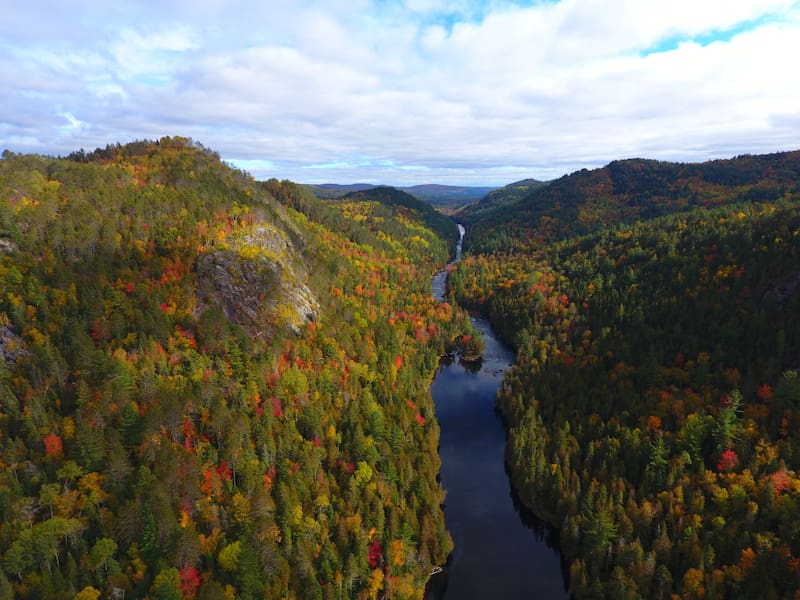
Located in Jackson Hole, near the Snake River and the Teton Range, the property offered something Ford had been looking for: a place where he could escape the demands of his acting career and spend time surrounded by nature.
His decision to purchase the entire property in the 1980s went beyond acquiring a secluded home. Beginning in 1985, Ford established conservation easements on parts of the ranch, restricting development that could damage wildlife habitats and natural resources.
By 1994, approximately 389 acres—nearly half of the property—were documented as being under conservation protection, according to a historical report by The Land Report.


Why Harrison Ford chose an 800-acre property in Wyoming
Following the success of Return of the Jedi in 1983, Ford began looking for a place outside Southern California where he could enjoy a quieter life. He and his then-wife, screenwriter Melissa Mathison, initially considered properties around Sun Valley, Idaho, before turning their attention to Jackson Hole.
The region’s combination of mountain scenery, open land and abundant wildlife made a lasting impression on the actor.
In an interview recounted by The Land Report, Ford described the appeal of the landscape as a combination of water, streams, trees and animals, with the Tetons rising above the surrounding valley.
The property they found stretched along the Snake River and included land used by migrating elk and mule deer. Bald eagles and blue herons were also among the wildlife associated with the area, while native cutthroat trout inhabited its waterways.
Rather than purchase only a small section of the land around the existing home, Ford and Mathison chose to acquire the entire 800-acre property.
The actor helped design and build his Wyoming home
Ford’s connection to the ranch was not limited to choosing its location. His background as a carpenter also influenced the way he developed the property.
While filming Frantic in Paris in the late 1980s, he sketched plans for his Wyoming home and sent detailed instructions to the workers building it. According to The Land Report, the actor continued communicating with the construction crew from France.
After the main house was completed, Ford also helped build a guesthouse and a large barn that would serve as his workshop.
The result was a private retreat designed around the surrounding landscape rather than a conventional Hollywood mansion. Its setting gave Ford room to work on practical projects, spend time outdoors and maintain a more hands-on lifestyle.
How Harrison Ford protected 389 acres from development
Ford’s commitment to the ranch eventually extended beyond building a home. In 1985, he began donating conservation easements on portions of his property.
These agreements restrict certain uses of private land to preserve its environmental value. Depending on their terms, they can prohibit subdivision, extensive construction or other activities that could harm wildlife habitats and natural resources.
The key distinction is that a conservation easement does not necessarily mean the landowner gives away the property itself. Instead, the owner retains the land while agreeing to permanent restrictions on specified development rights.
The Jackson Hole Land Trust, a local organization dedicated to protecting open spaces and natural resources, has used this type of agreement with private landowners throughout the region.
By 1994, reports documented 389 acres of Ford’s 800-acre ranch under conservation easements. That amounted to almost half of the property, limiting the extent to which the protected land could be developed.
The restrictions were significant because they were intended to endure beyond the owner’s lifetime or a future sale of the property, subject to the terms of the agreements.
The wildlife and landscape Ford wanted to preserve
The ranch sits in a region where private land can play an important role in maintaining open space and wildlife habitat. Its meadows, waterways and wooded areas form part of a landscape used by a variety of native species.
Historical descriptions of Ford’s property mention elk, mule deer, bald eagles, blue herons and native cutthroat trout. Protecting land from extensive development can help maintain the natural areas these animals depend on.
The benefits of conservation easements can also extend beyond wildlife. Keeping land from being subdivided or heavily built upon can help preserve open views, protect water resources and maintain connections between natural habitats.
That does not mean every acre of the ranch became a public nature reserve. Conservation easements generally allow land to remain privately owned, and public access is not automatically included. The restrictions instead focus on protecting agreed-upon conservation values.
Ford’s decision was also notable at a time when conservation easements were less widely known among private landowners. Stephen Small, who helped write tax provisions related to these agreements, told that Ford was among the early high-profile figures to embrace the approach.

Harrison Ford’s environmental commitment extends beyond his ranch
Ford’s interest in protecting nature also became part of his work outside Wyoming. He has served as an active board member of Conservation International, an organization focused on protecting biodiversity and supporting environmental conservation around the world.
His ranch reflects a more personal dimension of that commitment. Instead of treating the property solely as a private getaway, Ford used conservation agreements to limit how much of the land could be altered by future development.
The decision offered a way to balance private ownership with long-term environmental protection. Ford could retain his home and the land while placing lasting restrictions on certain activities that might otherwise transform the property.