
En esta noticia
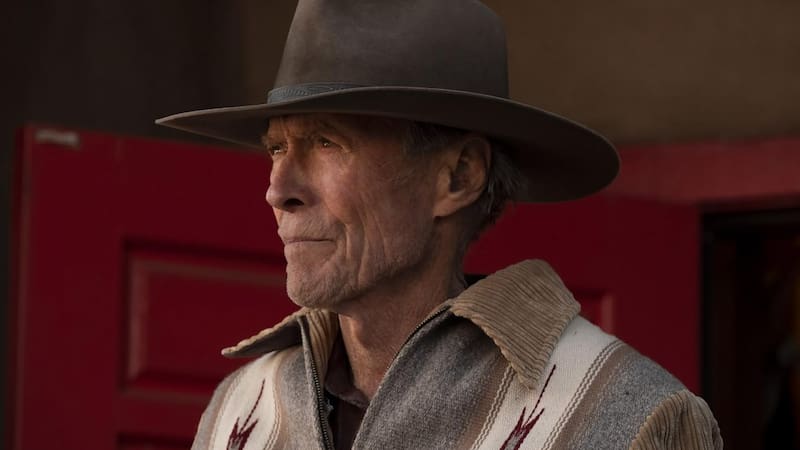
A former agricultural property in California took on a new purpose when Clint Eastwood decided to donate nearly all of the land he had purchased for conservation. Rather than allowing the entire property to become a residential development, the actor and his then-wife contributed acreage to a broader effort that combines ecosystem restoration with flood-risk reduction.
Known as the Odello Artichoke Fields, the property was a former artichoke farm located beside the Carmel River in Monterey County. Eastwood purchased it in 1995 with his then-wife, Maggie Johnson. The land had development potential, but its location also made it valuable for managing the river’s floodwaters.

How Clint Eastwood helped preserve the California property
The land was transferred through two donations to Big Sur Land Trust, a nonprofit organization dedicated to protecting natural areas in the region.
In 1997, Eastwood and Johnson donated 49 acres. In 2016, they contributed another 79 acres, expanding the amount of land available for environmental restoration.
Together, the donations totaled 128 acres, or approximately 52 hectares. The property is now part of a broader effort to restore the Carmel River floodplain and recover natural functions that have been reduced by human development and changes to the landscape.
The donations also helped prevent the transferred land from being used for residential development. Instead, the acreage became part of a conservation strategy intended to benefit both wildlife and nearby communities.
How the nature restoration project could help prevent flooding
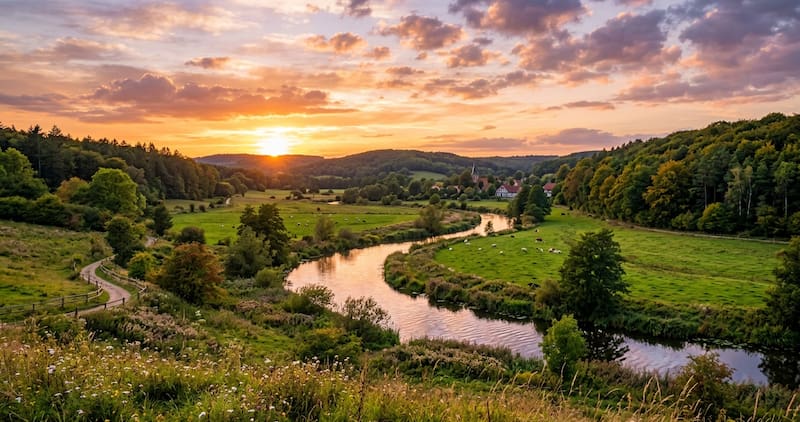
The Carmel River FREE project aims to restore the river’s floodplain. These low-lying areas can temporarily hold and spread excess water during high flows instead of forcing it through a restricted channel or toward populated areas.
Plans include restoring riverside habitats and wetlands, improving water movement and removing or modifying certain barriers that interfere with the river’s natural flow. The project also includes measures to improve drainage beneath State Route 1 and reconnect natural areas separated by infrastructure.
The goal is to reduce flood exposure for homes and businesses while restoring habitats used by fish, birds and other wildlife.
Floodplain restoration cannot eliminate flooding altogether. Instead, it can give water more room to spread naturally and help reduce damage during certain high-water events.
Why the project matters for wildlife and local communities
Environmental recovery is another central part of Carmel River FREE. Wetlands and riverside habitats can provide shelter, food and breeding areas for wildlife while supporting the river’s broader ecosystem.
The initiative also envisions expanding public access to natural spaces through trails connecting areas such as Carmel River State Beach and Palo Corona Regional Park.
That means the project goes beyond flood management. It also aims to preserve the landscape, reconnect habitats and create more opportunities for residents and visitors to experience the area’s natural environment.

What remains before the Carmel River restoration is complete
Although Eastwood’s donations provided important land for the initiative, additional funding and infrastructure work are still needed to complete the project.
Published information about Carmel River FREE puts the remaining project cost at approximately $57.5 million. Some funding has been secured through grants, while other resources remain subject to funding processes and approvals.
The donated land is therefore a significant foundation for the restoration effort, but it does not mean all construction is finished or that the flood risk has been eliminated.
The story of the former artichoke farm illustrates how land with residential development potential can take on a lasting environmental role. The acreage contributed by Eastwood and his family is part of a wider effort to restore the Carmel River, protect wildlife and make nearby communities less vulnerable to flooding.