
En esta noticia
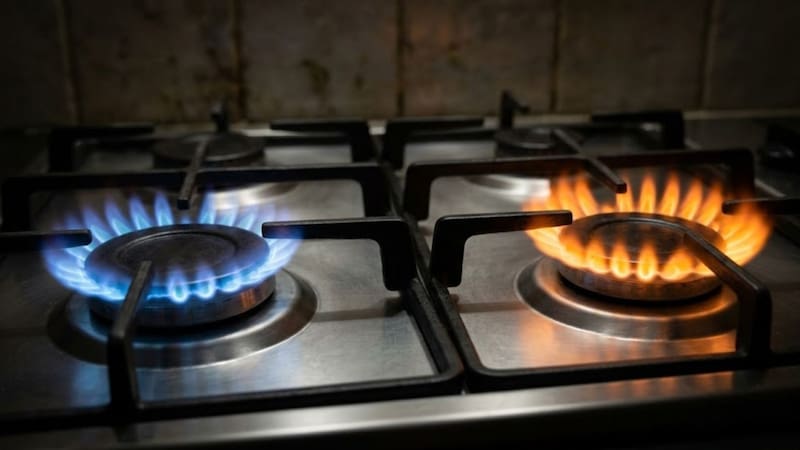
The flame on a gas stove should normally be blue and steady. If it starts to look mostly yellow or orange, it may mean that the burner is not working properly and combustion is not taking place as it should, so it is important to check the appliance.
What’s the difference between a blue gas flame and a yellow gas flame?
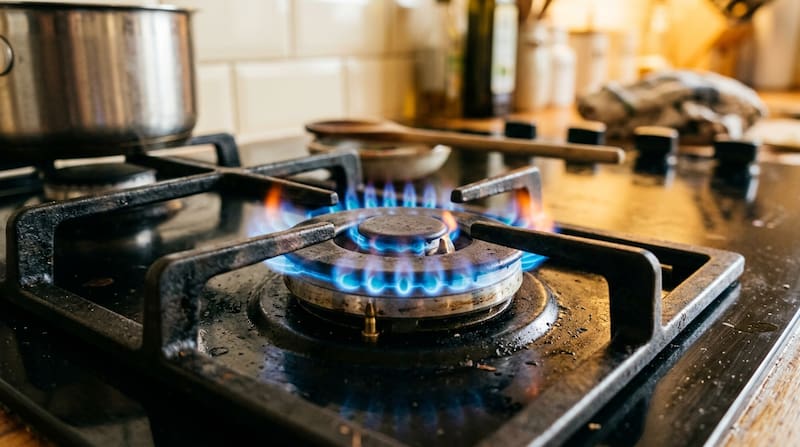
The blue flame usually indicates that the gas is burning properly and that the appliance is operating with more complete combustion. It may have small yellow tips without necessarily indicating a problem.
By contrast, if the yellow or orange flame takes up a large part of the fire and stays that way, it may indicate that there is not enough air for combustion, a problem that can produce carbon monoxide (CO), a toxic gas that has no smell or color. It may also be that the burner is dirty or that there is a problem that needs technical inspection.
The U.S. Environmental Protection Agency (EPA) explains that a persistent yellow flame can be a sign of an improperly adjusted appliance and higher pollutant emissions.
Why does a gas stove flame turn yellow?
The color change can have several causes:
- Build-up of dirt in the burners.
- Poor adjustment of the appliance.
- Problems with the air supply: the gas needs to burn properly.
It does not always mean there is a gas leak, but it can be a sign that something is not working as it should. The Riverside County Fire Department in California warns that a yellow flame can indicate that the appliance is malfunctioning and producing harmful gases.
When should you call a gas technician about a yellow flame?
If the stove flame remains yellow or orange instead of mostly blue, the recommendation is to stop using that appliance and request an inspection by a qualified technician. You should also watch for other signs that may accompany the problem:
- Soot stains around the stove or appliance.
- Irregular flames or flames that go out on their own.
- Unusual odors while the appliance is running.
- Carbon monoxide alarms.
- Headaches, dizziness, nausea, or weakness inside the home.
If the carbon monoxide alarm, an appliance that is essential to have at home, sounds, or if there is any suspicion of exposure, leave the home immediately and call authorities from a safe location. Do not go back inside until the area has been confirmed safe.
How can you prevent problems with gas appliances?
One of the main recommendations is to carry out periodic checks of the appliances and follow the manufacturer’s maintenance instructions. It is also important to keep the burners clean and free of blockages and to avoid making adjustments to the connections or installation on your own.