
En esta noticia
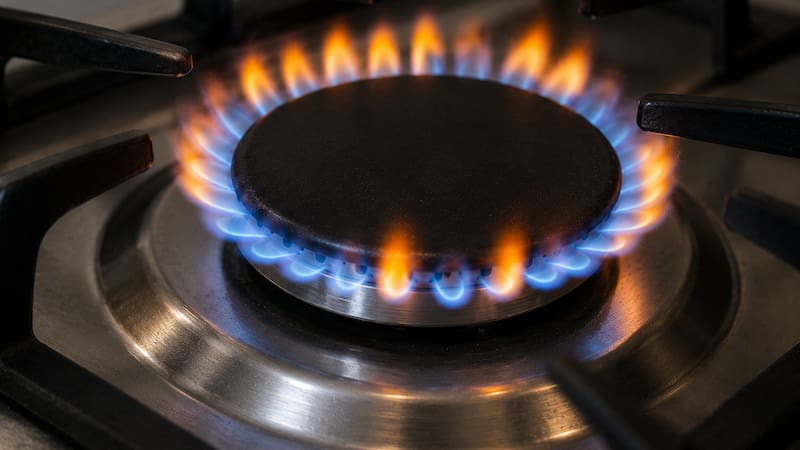
Checking the color of a gas stove flame can help spot problems with burner performance. According to the Department of Energy (DOE), which published the Energy Saver Guide, appliances that use natural gas should produce blue flames, while a yellow flame may indicate that the fuel is not burning efficiently and the equipment needs adjustment.
What it means when a gas stove flame is blue
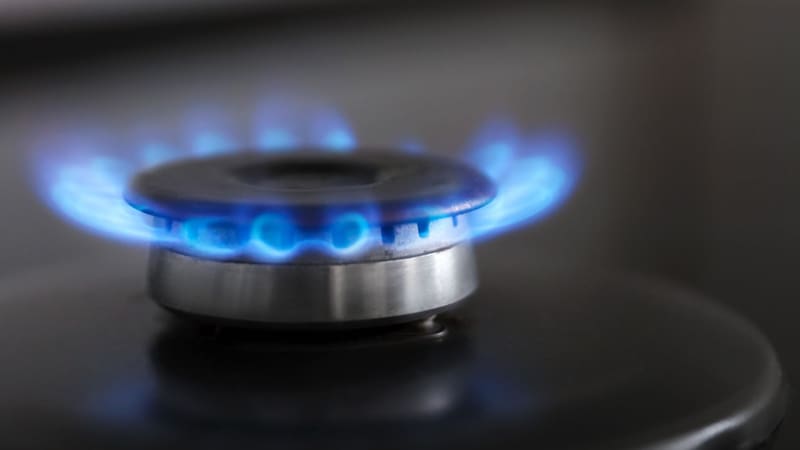
A blue flame is the expected look when a natural gas burner is operating. That color shows that the fuel is burning efficiently and that the gas-air mix is allowing proper combustion.
By contrast, a yellow flame may be a sign that the process is not working properly. The problem could be related to burner adjustment or the amount of air available for combustion.
The DOE confirms that flames on natural gas appliances should be blue and that yellow flames mean the fuel is burning inefficiently, so an adjustment may be needed.
Why a gas stove flame changes from blue to yellow
The color change may be linked to incomplete combustion or improper burner adjustment. When the appliance is not getting enough air, the gas may burn less efficiently.
Factors that can cause this include:
- Dirty burners: grease and buildup can clog the gas outlets.
- Lack of air: an improper gas-air mix can affect combustion.
- Adjustment problems: the burner may need to be tuned to restore normal operation.
- Misaligned components: burner parts out of position can alter the flame pattern.

What the DOE recommends if the flame is yellow
The DOE says to contact the appliance manufacturer or the local utility company. It also stresses the importance of having carbon monoxide detectors in the home and keeping gas appliances in proper condition.