

En esta noticia
The chance to get a Green Card in the United States changed for thousands of immigrants applying for permanent residency. The Donald Trump administration changed the criteria immigration authorities use to determine whether someone could become a public charge for the country.
The new rule expands the factors that U.S. Citizenship and Immigration Services (USCIS) can consider, including certain public benefits received by applicants. The change is part of a regulatory rewrite that voided the 2022 immigration rule.
The provision took effect on Sept. 18, 2026, and sets new guidelines for reviewing residency applications.
What USCIS changed under the Trump order to review Green Card applications
The Donald Trump administration changed the criteria the United States uses to determine whether an immigrant can get permanent residency. The move involves removing the 2022 rule on the factors and public benefits immigration officials could consider when reviewing certain applications.
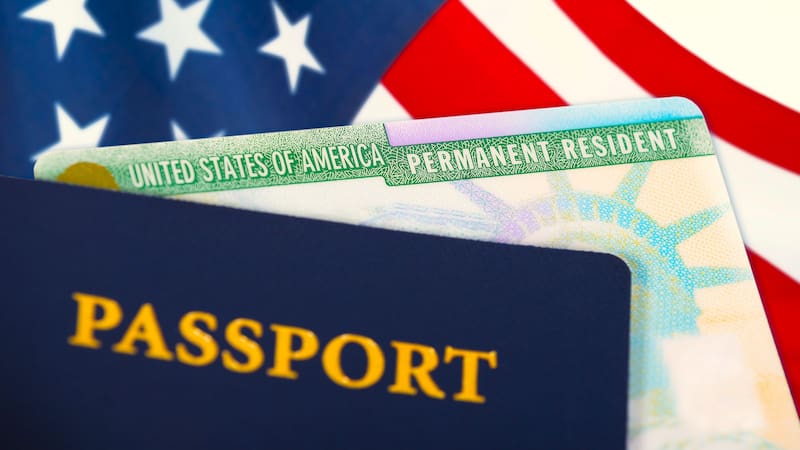
According to the final rule published by the Department of Homeland Security (DHS) in the Federal Register on July 20, 2026, scrapping that regulation gives immigration officers greater discretion to assess each applicant’s circumstances. The change took effect on Sept. 18, 2026, and applies, among other cases, to adjustment-of-status applications filed on or after that date using Form I-485.
What public benefits can USCIS consider when reviewing a Green Card application
USCIS can take into account whether a person received or applied for certain public benefits subject to a means-tested review. In its guidance on the new policy, the agency cites different forms of aid that may be part of the analysis:
- Food stamps, such as the SNAP program.
- Housing assistance: certain housing aid programs.
- Financial aid for college.
- Cash assistance is intended to maintain income.
- Means-tested health benefits: such as Medicaid and CHIP.
- Other similar government-funded programs are subject to means testing.
The date those benefits were received also matters because the rule says aid received before Sept. 18, 2026, is evaluated under the 2022 regulation; by contrast, aid received or requested on or after that date can be considered under the new framework. That does not mean receiving public assistance automatically leads to a Green Card denial. USCIS must assess its relevance along with the applicant’s other circumstances.
Which immigrants does the new rule affect, and what factors does USCIS review
The change applies to certain immigrants seeking permanent residency in the United States through Form I-485. USCIS says the public charge ground applies to applicant categories that are not exempt by law. Those who may be subject to it include certain relatives of U.S. citizens and permanent residents, foreign workers, investors and diversity visa applicants. By contrast, protected categories such as refugees and asylees are exempt from this ground of inadmissibility.
To decide each case, officers must consider at least five factors set by law:
- Age.
- Health.
- Family status.
- Assets and financial resources.
- Education.
- Job skills.
They may also review the Affidavit of Support, Form I-864, and other relevant factors. The decision must be based on the totality of each person’s circumstances, so receiving public benefits is one element of the analysis and does not by itself determine the outcome of the application.