
En esta noticia
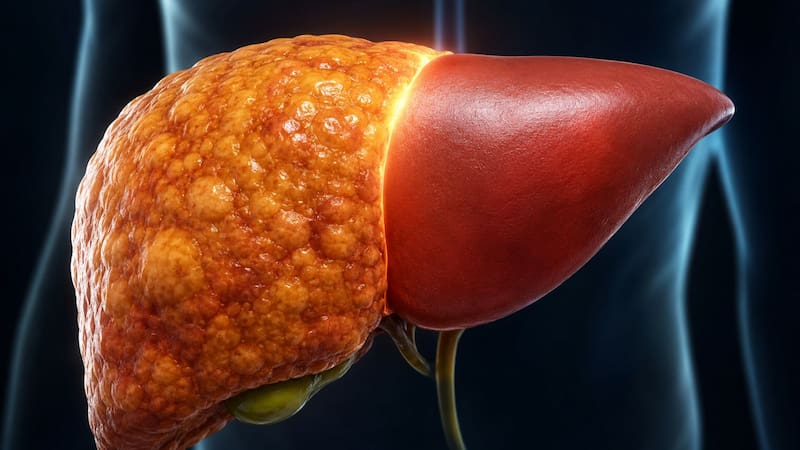
An experimental drug reversed a severe form of fatty liver disease in mice and nonhuman primates by restoring the gut’s protective barrier, according to research from the University of Michigan. The findings could open a new path toward treating metabolic dysfunction-associated steatohepatitis (MASH), a condition that can cause serious liver damage.
The compound, called DT-109, reduced harmful gut bacteria and prevented inflammatory substances from reaching the liver. However, the treatment remains experimental and has not yet been proven safe or effective in humans.
How the experimental drug protects the liver
The research, published in The Journal of Clinical Investigation, examined how changes in gut bacteria can contribute to MASH. Scientists identified an overgrowth of Clostridium perfringens, a bacterium that produces ammonia in the intestines.
Excess ammonia can damage the intestinal lining, weakening the barrier that normally prevents harmful substances from entering the bloodstream. When this barrier is compromised, microbial products can reach the liver and trigger inflammatory immune responses that worsen tissue damage.
DT-109 interrupted this process by reducing the levels of C. perfringens and lowering ammonia production. The compound also strengthened the intestinal barrier, limiting the movement of potentially harmful substances from the gut into the body.
What researchers found in animal studies
Experiments in mice and nonhuman primates showed that DT-109 improved gut barrier function. In nonhuman primates, the treatment also reduced liver inflammation and the severity of MASH.
The findings help explain how a compound that primarily acts in the gastrointestinal tract can benefit another organ. The relationship, known as the gut-liver axis, allows substances from the intestines to reach the liver through the bloodstream.
MASH can progress to cirrhosis, liver cancer, and liver failure. The researchers believe targeting the processes that connect gut bacteria to liver inflammation could offer a new therapeutic approach.
When could DT-109 become available?
DT-109 is still an investigational compound. Although the results in animal models are encouraging, further research is needed before scientists can determine whether it will be safe and effective for people.
The next steps include additional evaluation to advance the compound toward clinical trials. Human studies will be necessary to establish its safety, appropriate dosage, and potential benefits for patients with MASH.
Researchers are also investigating whether DT-109 could eventually help treat other conditions. Previous studies in nonhuman primates found that the compound reduced atherosclerotic plaque formation and vascular calcification, while its effects on the intestinal barrier could make it relevant to inflammatory bowel diseases.