
En esta noticia
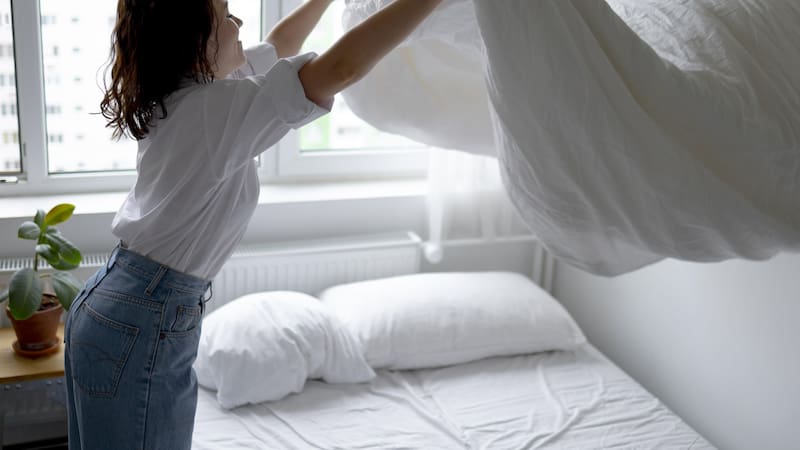
Getting up and making the bed automatically is a common habit for many people who love order. However, this can encourage the presence of mites and bacteria in the bed.
According to dermatologist Sean McGregor in a Cleveland Clinic article, the time we spend in bed turns it into a breeding ground for mites, bacteria, and allergens and also a space where dead skin, sweat, oils, and dirt can accumulate.
In that sense, the recommendation to ensure a good hygiene routine when it comes to bedding is to consider everything from the type of water chosen to wash it to the way sheets are changed.
Why the bed should not be made first thing in the morning
The expert indicates that ideally the bed should be left unmade for a while after getting up.
The explanation is simple: both sheets and bedding accumulate sweat after a night of rest, so time is needed for the moisture to disappear.
When you do not wait before making the bed, the moisture present in the sheets provides dust mites and bacteria with a favorable environment to thrive.
Sheets are not washed with regular water: what is the recommendation
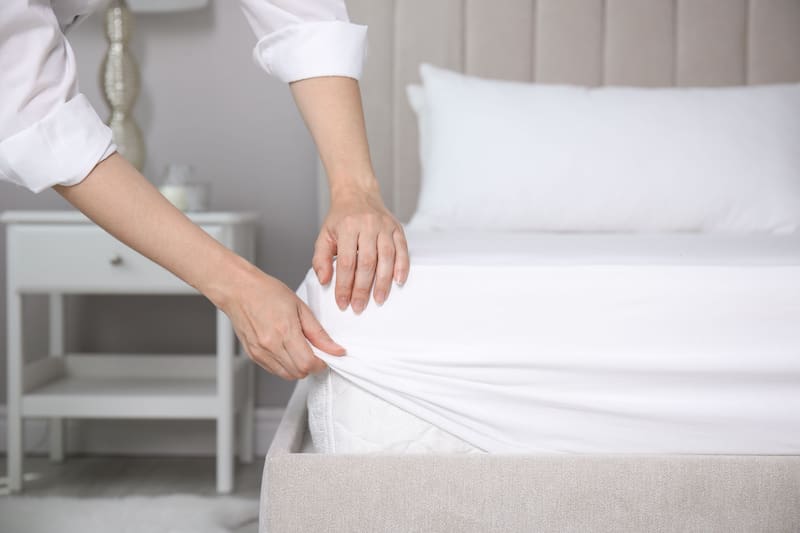
Likewise, the advice is not to wash bedding using regular water, but rather to opt for hot water, since heat helps eliminate dust mites.
Mayo Clinic also recommends the same to reduce the presence of mites: “Wash all sheets, blankets, pillowcases and bed covers in hot water at a minimum temperature of 54.4 °C to eliminate dust mites and their allergens".
How often should bed sheets be changed
According to Cleveland Clinic, the ideal frequency is to wash sheets every one or two weeks. Duvets and pillows can be washed every six months or as needed.