

En esta noticia
The Internal Revenue Service (IRS) explains on its official website the reasons a taxpayer may receive a smaller refund than expected after filing a tax return.
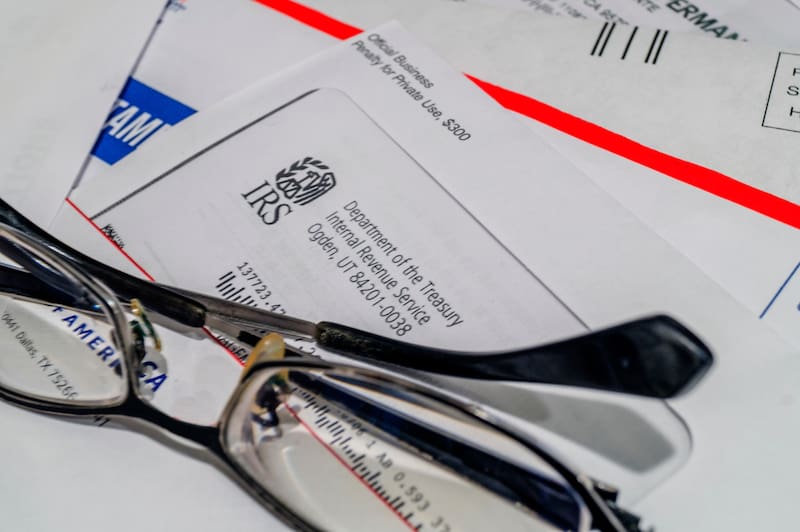
There are two main reasons this can happen: the first is an adjustment to the tax return, and the second is an offset for outstanding debts. However, the IRS also allows for the possibility of an error, so if the taxpayer believes the reduction is improper, they can challenge the decision by following the instructions in the notice they received.

What tax return errors can lead to a reduced refund?
According to the IRS, adjustments to tax returns are the most common reason refunds are reduced. Among the main errors that can lower the amount are:
- Math errors: mistakes when adding, subtracting, or entering figures on the return.
- Ineligible tax credits: claiming benefits without meeting the requirements, such as claiming the Child Tax Credit for a child who does not qualify.
- Improper deductions: claiming deductions for which the taxpayer does not qualify.
- Underpayment of estimated taxes: paying less estimated tax than required during the year.
What other reasons can the IRS reduce your refund?
The refund can also be reduced when certain debts are outstanding. This process is known as a debt offset and is handled by the Treasury Department’s Bureau of the Fiscal Service (BFS).
Debts that can trigger a reduction include:
- Past-due child support.
- Non-tax debts owed to federal agencies.
- Unpaid state income taxes.
- Certain state debts related to unemployment compensation.
What should I do if I receive a reduced refund and disagree with the reason?
If the taxpayer disagrees with the reason their refund was reduced, they can file a claim. However, the process varies depending on the cause of the reduction:
- If it is due to an adjustment on the tax return, the taxpayer should review the notice sent by the IRS and contact the number listed on the notice to request a review.
- If it is due to a debt offset, they should contact the agency responsible for the debt directly. If they did not receive the corresponding notice, they can call BFS at 800-304-3107.