
En esta noticia
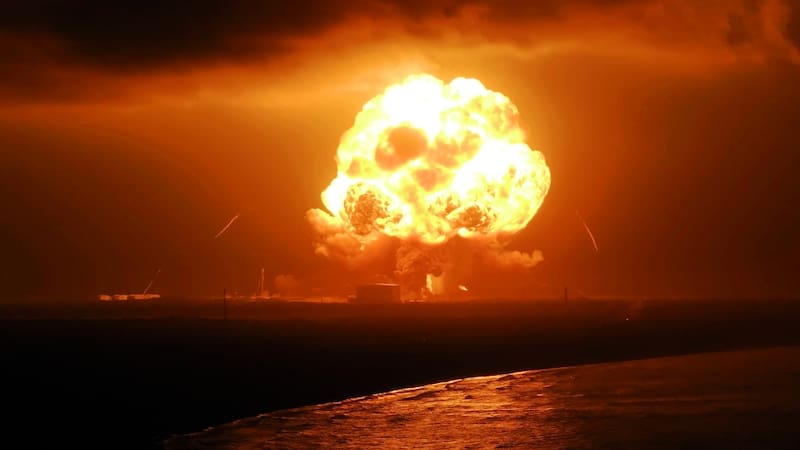
A dirty bomb is a conventional explosive packed with radioactive material, designed to scatter contamination rather than set off a nuclear blast. The weapon is drawing new attention after U.S. intelligence suggested Iran may be developing plans to use one in Washington.
CNN broke the story Monday, citing seven U.S. officials. The possible targets are senior Trump administration officials, and the plans could involve a dirty bomb or a chemical weapon. Officials are still weighing whether Iran could or would carry out such a plot.
Secretary of State Marco Rubio, who also serves as national security adviser, said Tuesday he doesn’t believe the U.S. faces an imminent attack. The White House said it sees no credible threat to the homeland, and Tehran rejected the allegations as fabricated.


How dangerous is a dirty bomb compared with a nuclear bomb?
A dirty bomb doesn’t need the chain reaction that powers a nuclear weapon. The Nuclear Regulatory Commission says a nuclear blast is millions of times stronger. Radioactive sources used in hospitals and industry could supply a dirty bomb, which makes it far easier to build.
Its reach is also much smaller. The NRC estimates contamination would likely stay within a few blocks or miles of the blast. Fallout from a nuclear bomb can spread across thousands of square miles.
Most dirty bombs wouldn’t release enough radiation to kill people or make them seriously ill. The blast is the bigger risk for anyone nearby. The NRC calls it a “weapon of mass disruption” because the main damage would be panic and costly cleanup. No dirty bomb has ever been set off in an attack.
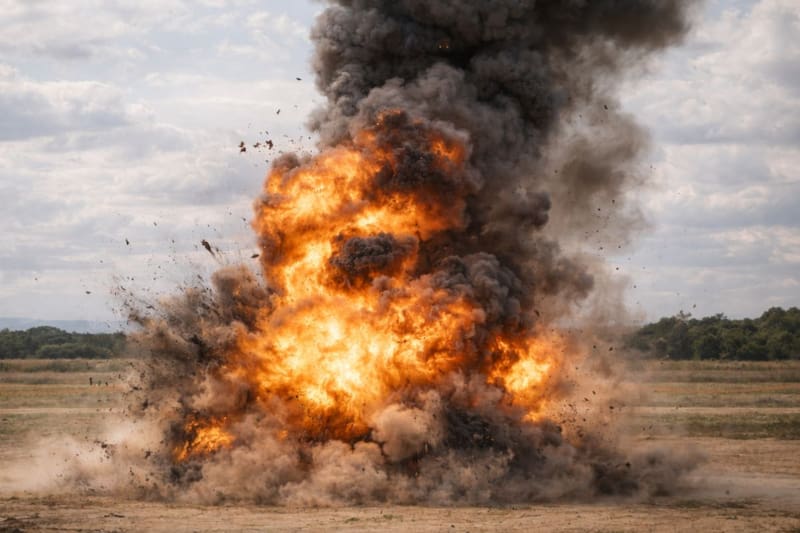
What should you do if a dirty bomb goes off in Washington or another US city?
Federal guidance comes down to three steps: get inside, stay inside and stay tuned. Go to the nearest sturdy building and move to the basement or the center, away from windows.
Plan to stay indoors for at least 24 hours, or until local officials say it’s safe to leave. Close doors and windows, and turn off any fans or heating and cooling systems that pull in outside air.
If you were outdoors during the blast, taking off your outer layer of clothing can remove up to 90% of radioactive material. Then wash with soap and water, and follow updates from local officials.