
By Pedro Bianco
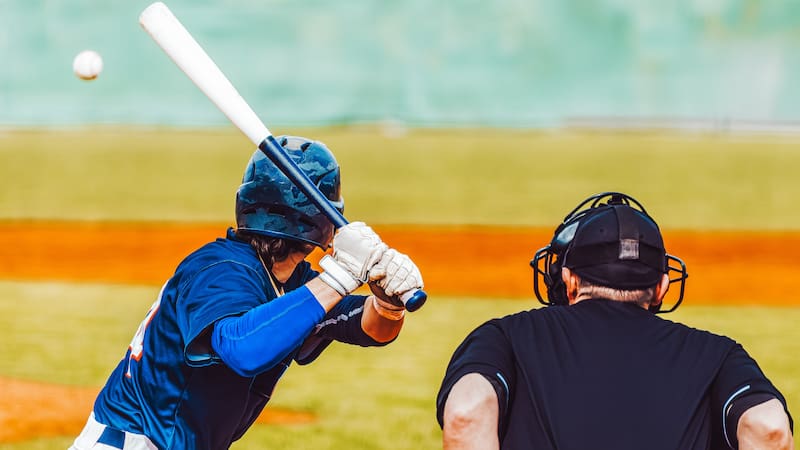
It is a scene more common than it may seem: A ball rockets into the stands at more than 150 kilometers per hour and hits a spectator who did not have time to react. Can that person sue the team for damages?

In the United States, the answer runs up against a longstanding legal doctrine known as the “Baseball Rule,” which generally protects clubs and stadiums from these kinds of claims.
The legal doctrine that shields teams and stadiums from lawsuits
The “Baseball Rule” is a principle that applies in many states and is based on one core idea: The risk of a ball reaching the stands is inherent to the game.
Under that logic, if the stadium uses netting to protect the most dangerous areas, especially the section behind home plate, where most impacts occur, fans sitting in the other seats are considered to have accepted the risk of being hit by a ball when they chose to sit there. As a result, a claim over that kind of injury usually has little chance of succeeding.
The rule protects the team and the stadium owner or operator, who are the ones an injured spectator could sue. It is not a protection for players: the baseball player who hits the foul ball or home run is not the one facing the claim.

What it is based on
The rule’s legal foundation is the doctrine of “assumption of risk”. That doctrine holds that when a person knows about a danger and still chooses to expose themselves to it voluntarily, they cannot later seek damages for harm caused by that danger.
Applied to baseball, teams argue that fans know balls can leave the field and still choose to attend and enjoy the game. That decision, under the doctrine, means accepting the risk.
Two factors reinforce that protection. The first is protective netting: Installing it behind home plate is standard in Major League stadiums, and in recent years MLB expanded that coverage down the baselines, beyond the dugouts, after a series of spectator injuries.
The second is the warning printed on the ticket: Tickets usually include a clause warning of the risk of being hit by a ball or bat.