
En esta noticia
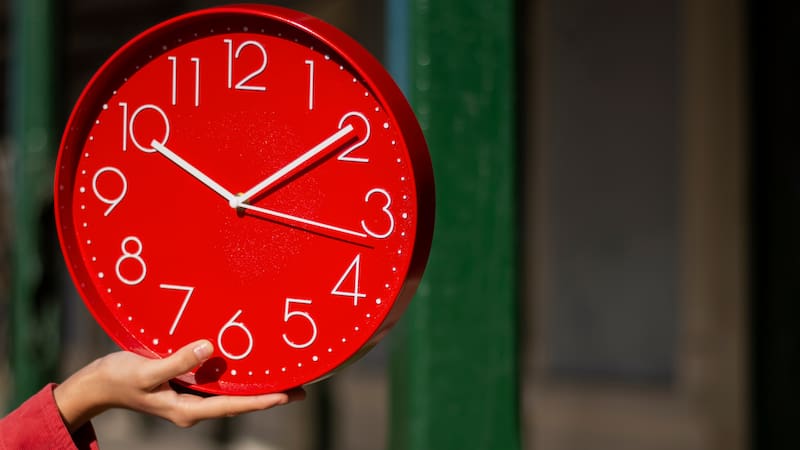
Daylight Saving Time in the United States will end on Sunday, November 1, 2026, when most of the country will turn its clocks back one hour to return to standard time. The change will take place overnight and will mark the final clock adjustment of the year for areas that observe Daylight Saving Time.
Unlike the spring change, when clocks move forward, the November adjustment gives people an extra hour. At 2:00 a.m. on November 1, clocks will move back to 1:00 a.m. As a result, the hour between 1:00 and 2:00 a.m. will occur twice in areas that observe the change.

Which states will turn their clocks back
The change applies to most of the United States, including states such as California, Texas, Florida, New York and Michigan. It also applies to Washington, D.C., Alaska and the other states that observe Daylight Saving Time.
There are important exceptions. Hawaii and most of Arizona do not observe Daylight Saving Time, so residents there will not need to change their clocks on November 1. The Navajo Nation, which extends into parts of Arizona, does observe Daylight Saving Time and is an exception within the state.
Several U.S. territories also do not observe the seasonal clock change, including Puerto Rico, Guam, American Samoa, the Northern Mariana Islands and the U.S. Virgin Islands.

Which clocks will change automatically
Most smartphones, computers and other internet-connected devices should update automatically as long as their date, time and time-zone settings are correct. The National Institute of Standards and Technology recommends keeping operating systems updated so devices can apply the current Daylight Saving Time rules correctly.
However, analog clocks, some alarm clocks, vehicle clocks and certain household appliances may need to be adjusted manually. A practical option is to set them back one hour before going to bed on Saturday, October 31.
What the time change means for daylight
The change will bring an additional hour of daylight to the morning, but it will also mean that sunset will occur about one hour earlier. In practical terms, there will be more natural light earlier in the day and less in the evening.
The change follows the federal schedule under which Daylight Saving Time begins on the second Sunday in March and ends on the first Sunday in November. In 2026, those dates were March 8 and November 1.

Could the U.S. stop changing its clocks?
The November 2026 time change remains in effect. At the same time, lawmakers continue to debate whether the United States should make Daylight Saving Time permanent. A bill passed by the House of Representatives remains stalled in the Senate, so it does not change the November 2026 schedule.