
En esta noticia
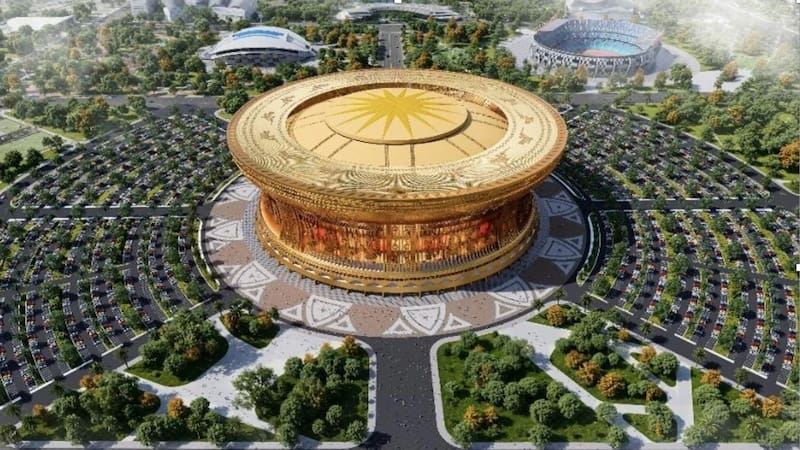
Vietnam is aiming high, literally: It is building a colossal stadium with projected capacity for 135,000 spectators, a figure that would make it the largest in the world. It is the Trong Dong Stadium, which will rise in Hanoi and, beyond its enormous scale, aims to become an emblem of the country’s cultural identity.


They Plan the World’s Largest Stadium
Trong Dong Stadium is the centerpiece of a massive sports development, the Olympic Sports Urban Area, being built to the south of Hanoi, the Vietnamese capital. The project is being led by Vingroup, the country’s largest conglomerate, linked to businessman Pham Nhat Vuong. It is not an isolated project, but the heart of a sports city designed on a grand scale.
The figure that explains the buzz is its capacity: 135,000 seats. If it is completed with that capacity, Trong Dong would become the largest-capacity stadium on the planet, ahead of the current leader, North Korea’s Rungrado 1st of May Stadium, which seats about 114,000. Because the stadium is still under construction, that record is for now only projected; it will not be confirmed until the stadium is finished and operational.
A Stadium Designed as a Cultural Symbol
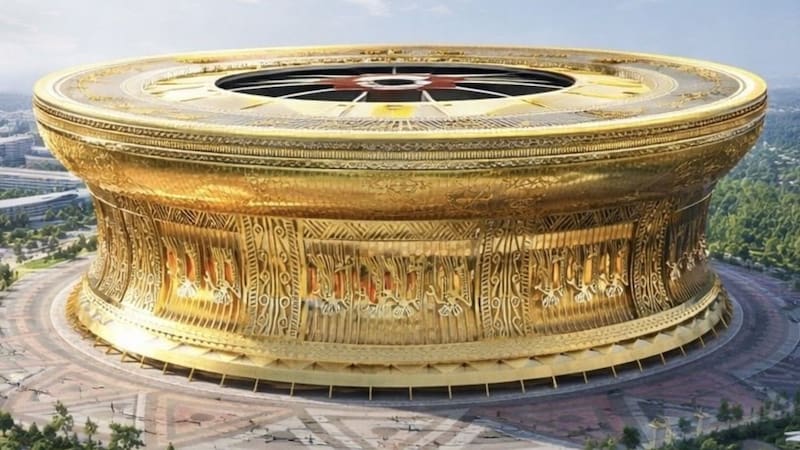
Beyond its size, the design is what connects it to the nation’s identity. The facade is inspired by the Dong Son bronze drum (in Vietnamese, trong dong), an ancient object that is one of Vietnam’s great symbols of heritage and culture, and it also incorporates elements of the Lac bird, another figure from traditional iconography. That is where its name comes from. The idea is for the stadium to be not just a sports venue, but a calling card for the country and its history.
How the Project Is Going and When It Will Open
Unlike a simple announcement, the project is already underway: work began in December 2025, so construction is in progress. According to the project timeline, the stadium is expected to be completed around 2028. The investment is enormous, although the highest figures circulating refer to the larger sports and urban development, which is much broader than the stadium itself.