
En esta noticia
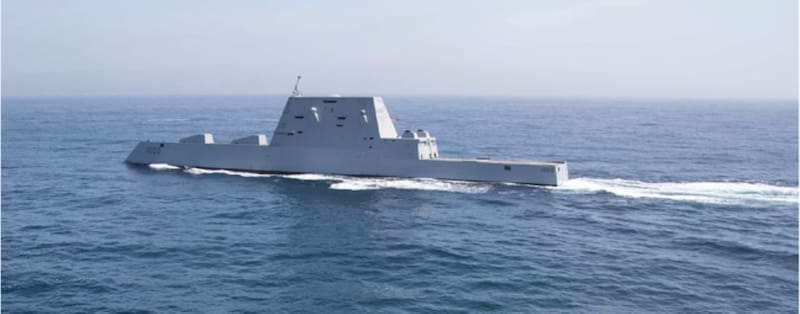
The U.S. Navy is now 24 months behind on modernizing its three DDG 1000 Zumwalt-class destroyers to add Conventional Prompt Strike (CPS) hypersonic missiles.
According to a report from the Government Accountability Office (GAO), released in July, the first flight tests from one of the ships were pushed back to 2027.
Why is the U.S. delaying the modernization and installation of hypersonic missiles
The federal agency plans to add CPS missiles to three destroyers built in Maine: the USS Zumwalt, the USS Michael Monsoor, and the USS Lyndon B. Johnson. To do that, it needs to modify the ships’ structure and install vertical launch systems. But modernization of the first destroyer had already fallen behind, even though it was 94% complete in January 2026.
One of the main problems was the need for electrical and wiring work that had not been part of the original plan. The Navy added 230,000 work hours at an additional cost of $20 million.
In addition, the destroyers use specialized radar, combat, and computer networking systems that are expensive and difficult to maintain.
How much does each hypersonic missile cost
The weapon’s price also rose during the program’s development: in 2021, the Navy had projected a cost of about $50 million per round. However, GAO reported that, in April, the estimated price was between $63 million and $71 million per missile, with an average of about $67 million.
The total investment is also significant:
- The Navy expects to spend more than $41 billion over the life of the program.
- The Army plans to invest more than $10 billion in 48 missiles and related equipment.
- Both services will devote more than $50 billion to the development, testing, and deployment of this technology.
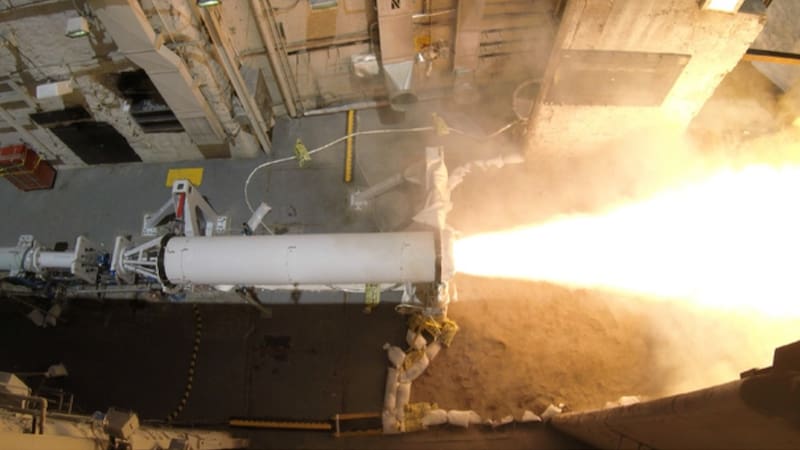
Each missile uses boost-glide technology: a rocket propels the round, then a glide body separates and continues toward the target. They can travel farther than most conventional projectiles and follow paths that are less predictable than ballistic missiles.
The GAO said the technology allows attacks on “high-value, heavily defended targets from long range” with a non-nuclear payload.
When will the first flight test take place?
The first flight tests from the destroyers were scheduled for 2025, but were pushed to 2027 because of funding problems and technical difficulties. The goal is to confirm that the system can work properly from a warship and move toward operational deployment.