
En esta noticia
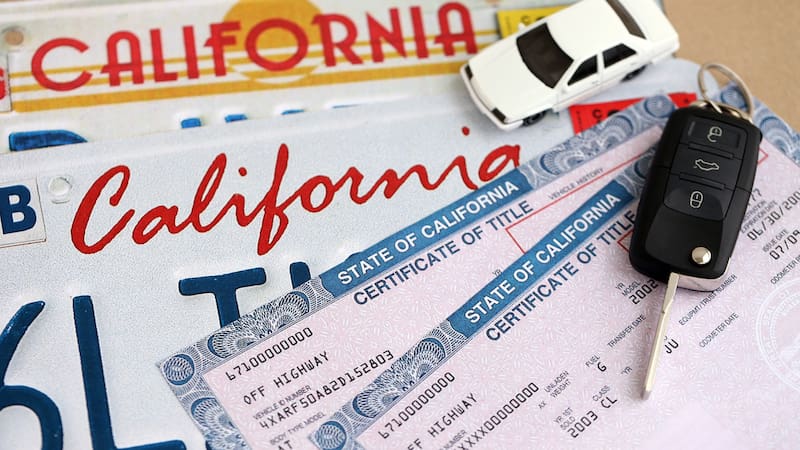
Those who own a car and drive on the streets of California must know the rules of the Department of Motor Vehicles (DMV), also clarified in the Automotive Industry Registration Procedures Manual.
Among them are the requirements linked to mandatory insurance, financial responsibility, and the consequences drivers may face if they drive without the required coverage, such as registration suspension, penalties, and even vehicle impoundment in certain circumstances.


What are the minimum insurance requirements in California?
California requires that all vehicles registered in the state be covered with a type of liability insurance. This compensates the other person when an accident occurs.
According to the DMV, these are:
- Motor vehicle liability insurance policy.
- Cash deposit of $ 75,000 at the DMV.
- Self-insurance certificate issued by the DMV.
- Surety bond worth $ 75,000 issued by a company authorized to operate in California.
As for the minimum requirements that liability insurance must meet, they are:
- $ 30,000 for injury or death of one person.
- $ 60,000 for injury or death of more than one person.
- $ 15,000 for property damage.
What happens if the vehicle is driven without the corresponding coverage?
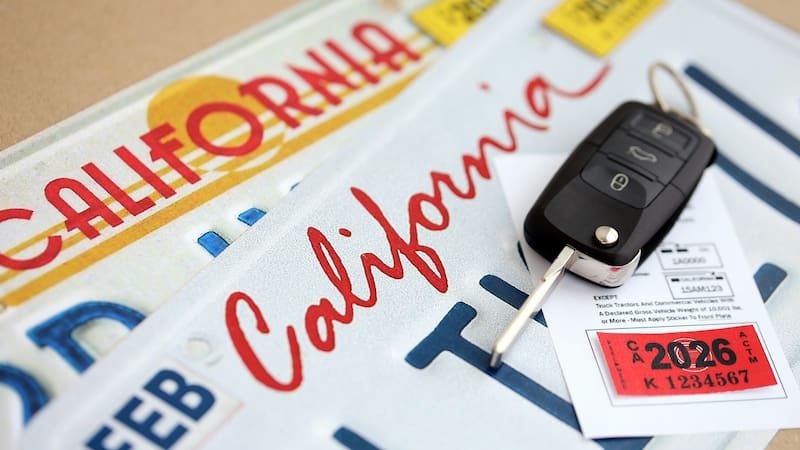
The California Department of Insurance warns that driving without the required liability coverage can lead to fines, license suspension, and vehicle confiscation.
The agency also states that the insurance company informs the DMV when a user runs out of coverage. If a policy expires, the owner must obtain new coverage and make sure the agency receives the new proof of financial responsibility.
What to do if the policy expires or is canceled?
When the DMV receives the cancellation notice, it notifies the owner, who has up to 45 days from the notice to prove that there is other coverage before the registration is suspended.
If the registration has already been suspended, the vehicle cannot be driven or remain parked on a public road until new proof of insurance is submitted and the process to reinstate the registration is completed.
On the other hand, if it will no longer be used, the owner must file a Non-Use Affidavit (ANU).
How do you get the vehicle back if it is confiscated for this reason?
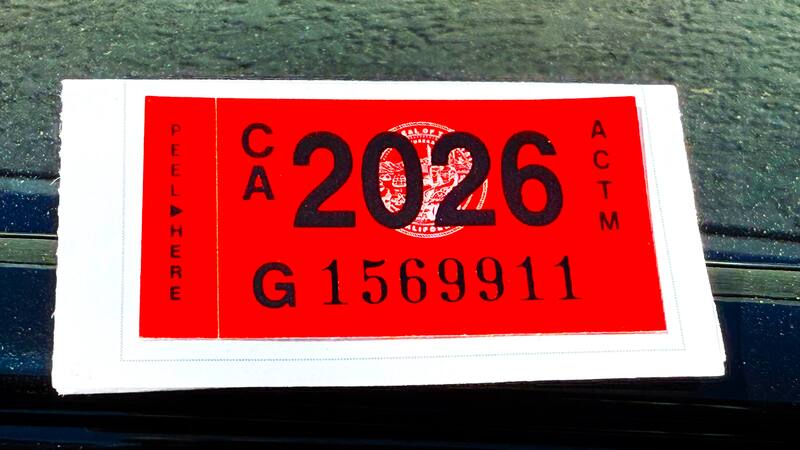
If the vehicle was confiscated for driving without the required financial responsibility, first it will be necessary to normalize the problem that caused the measure. This may include obtaining valid coverage, submitting the corresponding proof, and reinstating the registration if it had been suspended.
If it is due to other reasons, the DMV should be consulted for the corresponding procedure. On the other hand, the DMV may also impound and directly sell a vehicle to collect certain debts linked to it, such as registration fees, vehicle license fees, transfer fees, parking violations, or unpaid use taxes.