

En esta noticia
The U.S. Department of State can reject adult passport applications from people with certain tax debts owed to the federal government. The policy applies to taxpayers whose tax obligations exceed an amount set by law and have been certified by the Internal Revenue Service (IRS).
The rule sets specific conditions for determining when a debt is seriously delinquent, which can directly affect a person’s ability to get or renew a travel document.
People in this situation may face restrictions when applying for a passport, although there are options to resolve the debt and avoid a denial.


What it means to have seriously delinquent federal tax debt and the minimum amount for 2026
The U.S. Department of State can deny adult passport applications from people who have federal tax debts considered seriously delinquent. This policy applies when the IRS certifies that a taxpayer has unpaid tax obligations that meet the criteria set by federal law.
For 2026, the minimum amount is more than US$66,000, including interest and penalties. The debt must be legally enforceable and subject to certain collection actions: the IRS must have filed a notice of federal tax lien whose administrative remedies have expired or been exhausted, or it must have issued a levy to collect the debt.
It is worth noting that not all unpaid tax obligations fall into this category, since debts paid regularly under an IRS-approved installment agreement and those included in an accepted offer in compromise are excluded. Certain debts are also not certified when an administrative proceeding is pending or when one of the legal exceptions applies.
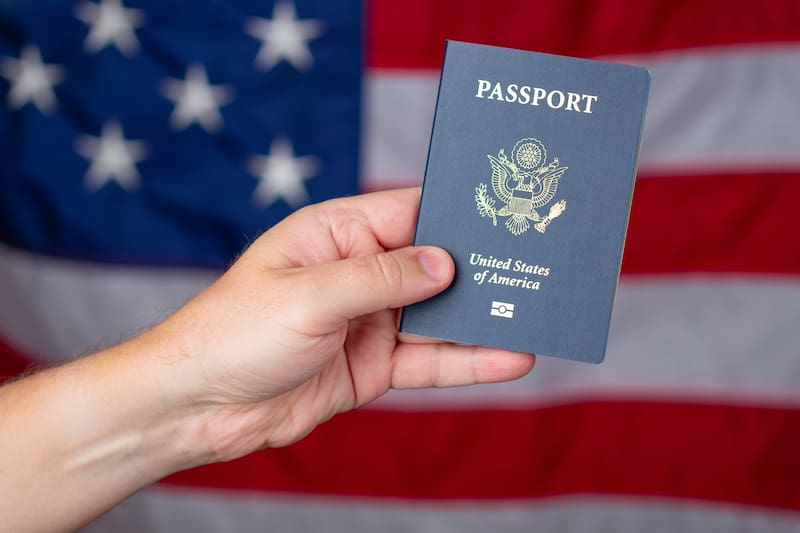
What taxpayers must do to keep the State Department from rejecting their passport
When the IRS certifies a seriously delinquent tax debt, it sends the taxpayer a notice identified as CP508C and notifies the State Department. If the person applies for or tries to renew a passport, the agency sends them a letter and keeps the case open for 90 days so they can resolve the issue before the application is denied and closed.
During that period, the taxpayer can pay the debt in full, set up an installment agreement with the IRS or submit an offer in compromise. They can also contact the agency if they believe the certification contains an error. These options allow the taxpayer to seek a reversal of the certification and avoid having the passport application rejected.
Once the debt is resolved or the certification is found to be incorrect, the IRS must reverse it and notify the State Department within 30 days. If the taxpayer does not manage to reach a satisfactory agreement or resolve the issue within the 90-day window, the State Department denies and closes the application, and they must file a new one to get the document.