
En esta noticia
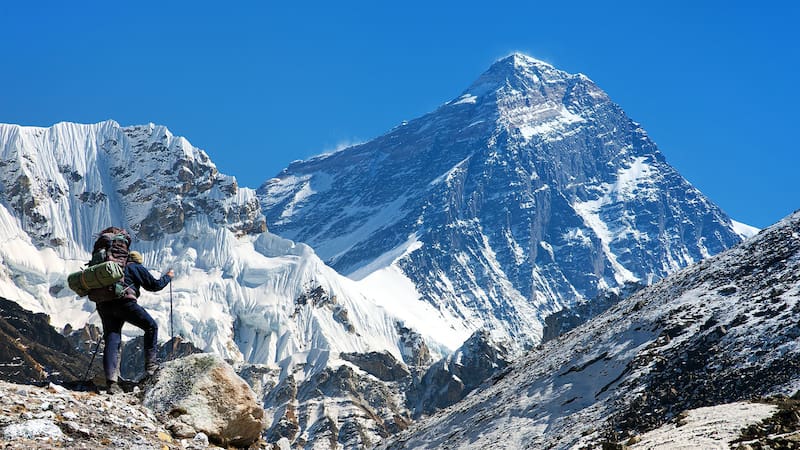
Mountaineering has a new record for the history books. Polish climber Piotr Krzyżowski linked ascents of two of the world’s highest mountains, Everest and Lhotse, both more than 8,500 meters, one after the other, without supplemental oxygen or Sherpa support, in 1 day, 23 hours and 22 minutes.
The feat was recognized by Guinness World Records as the fastest ascent of both peaks without oxygen.

An Unprecedented Feat
Krzyżowski climbed both peaks in succession in 1 day, 23 hours and 22 minutes (about 47 and a half hours), and he did it in an extremely demanding style: without bottled oxygen and without Sherpa support.
Guinness World Records certified the mark as the fastest ascent of Everest and Lhotse without supplemental oxygen, recognition that put the feat at the center of attention in the mountaineering world.
How He Did It
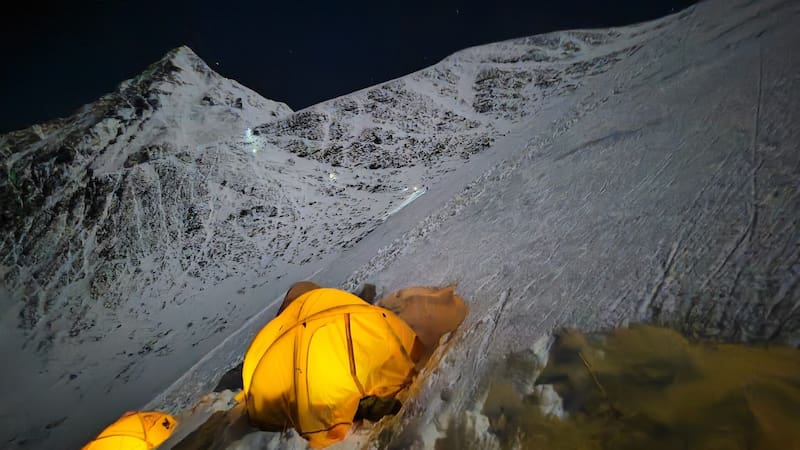
The sequence followed a precise order. He first reached the summit of Lhotse (8,516 meters) and, instead of descending all the way to base camp, he dropped only to the South Col (Camp 4) to rest and, that same night, set out for the ascent of Everest (8,849 meters), which he summited the next day.
He did not go below Camp 4 between the two summits, which makes the effort even more extraordinary because he spent almost all of the time at extreme altitude.
Why It Is So Difficult
To understand the scale of the feat, you have to understand where it took place. Above 8,000 meters lies the so-called “death zone,” where the amount of oxygen in the air is so low that the human body literally starts to break down: it cannot acclimatize, and every passing hour takes a toll.
Climbing two peaks that high without bottled oxygen, and doing them back to back, pushes the body to an extreme limit. On top of that, the chosen order — first Lhotse and then Everest, with the highest summit last — is considered the hardest, because it leaves the taller mountain for the end, when the body is already worn down.