
By Pedro Bianco
En esta noticia
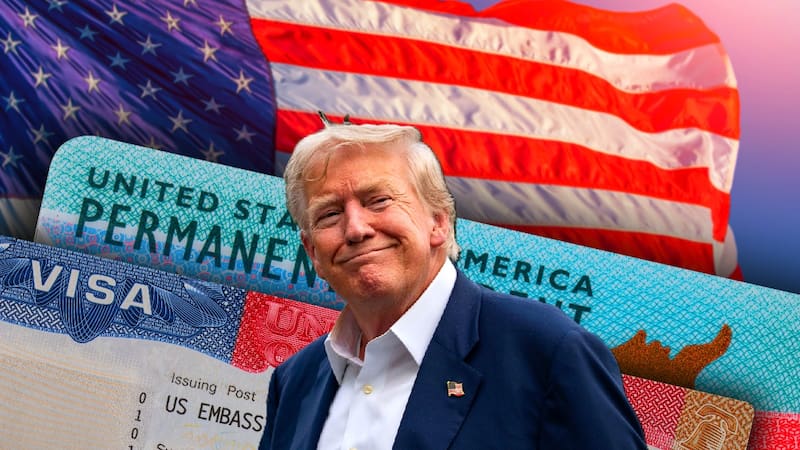
The United States offers a document that allows travelers to cross the border without having to show the traditional visa stamped in their passport: the border crossing card, better known as the “laser visa.” It is a tool designed to make frequent, short visits easier, but it has clear limits and is not available to everyone.
What the border crossing card is
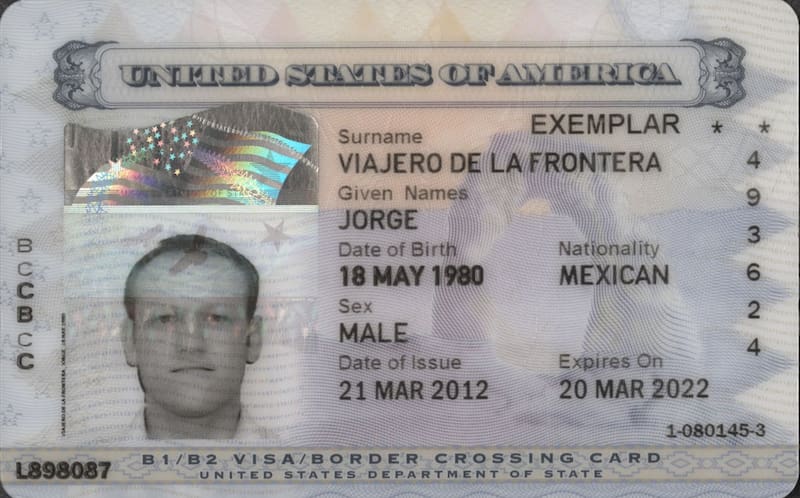
The border crossing card (Border Crossing Card, or BCC) is a card-format document, hence the nickname “laser visa,” issued by the U.S. government. It is not a “visa-free” entry like the ESTA program.

In fact, the card itself is a type of visa: it generally serves both as a border crossing card and as a B1/B2 visitor visa, only in card form rather than the traditional stamp in a passport. The practical difference is that, with it, the holder does not need to apply for or show the traditional visa every time they cross.
Who can get one
The border crossing card is reserved for Mexican citizens who also live in Mexico. It is not available to foreigners of other nationalities. To qualify, applicants must show strong ties to Mexico that ensure they will return, have no intention of immigrating, have financial means for the trip and pass a background check, as well as an in-person interview.
As with any visa, having the card does not guarantee entry. Final approval is always decided by the CBP officer at the port of entry, who also determines how many days the person may stay.
What it allows: where and for how long
Here are the limits worth knowing, because the card does not allow free movement throughout the country. It permits entry by land or sea from Mexico and travel within a “border zone,” whose size varies by state:
- In Texas: up to about 25 miles (about 40 km) from the border.
- In California: up to 25 miles, with some exceptions.
- In New Mexico: up to 55 miles, or up to Interstate 10.
- In Arizona: up to 75 miles, or up to Tucson.
Within that zone, the permitted stay is up to 30 days per visit, as determined by the Customs and Border Protection (CBP) officer. To travel beyond the border zone or stay longer, the holder must also apply for Form I-94 at an authorized port of entry.