
En esta noticia
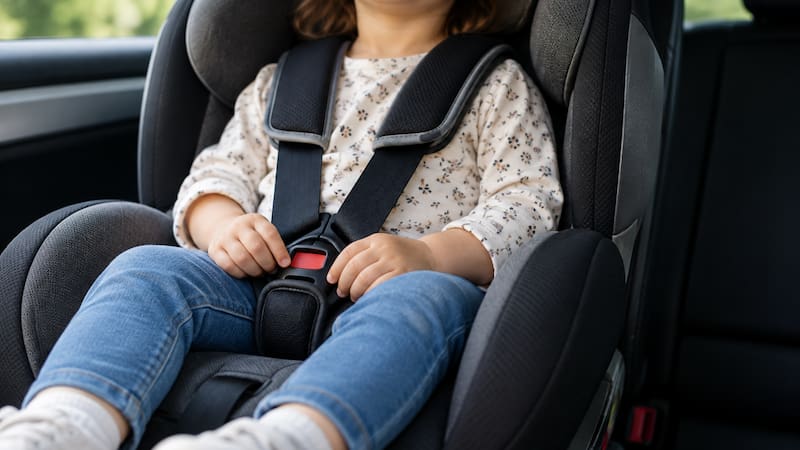
Children’s safety during car trips depends, among other factors, on the correct use of child car seats. The position in which they travel is especially important during the first years of life.
The National Administration of United States Highway Traffic Safety (NHTSA) sets recommendations according to each child’s age, weight, and height. In particular, it indicates that children under one year old must always travel facing backward.
However, turning one year old does not mean it is time to change the seat orientation. The agency recommends keeping that position for as long as possible, as long as the child does not exceed the established limits set by the manufacturer.


From what age can children travel facing forward?
According to the NHTSA, children between 1 and 3 years old should continue traveling facing backward for as long as possible, since this position offers greater protection.
The switch to a forward-facing seat can be made when the child reaches the maximum weight or height limit allowed by the manufacturer for traveling facing backward.
Therefore, the decision depends on the child’s growth and the characteristics of the seat used.
When that time comes, the NHTSA recommends using a forward-facing seat that has a harness and tether strap, elements designed to limit the child’s movement in the event of a crash.
Why is it safer for children to travel facing backward?
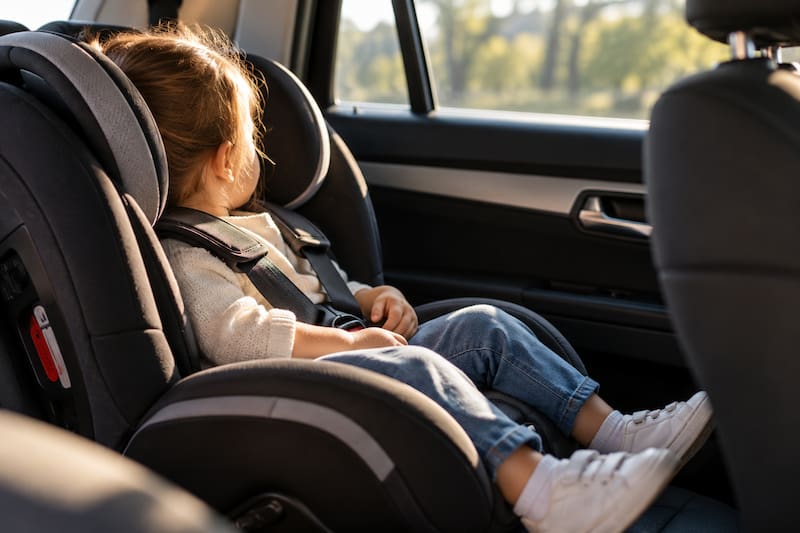
The NHTSA explains that rear-facing seats have a harness that holds the child and allows the seat to accompany the child’s movement during a crash.
In this way, they help reduce strain on the neck and the spinal cord, areas especially vulnerable during the first years of life.
For that reason, the agency recommends not moving up the orientation change while the child can continue safely using a rear-facing seat.
What other recommendations does the NHTSA make for traveling with children?
In addition to the seat orientation, the U.S. agency points out a series of measures to improve children’s safety inside the vehicle:
- Choose a seat suitable for the child’s age, weight, and height.
- Respect the manufacturer’s limits and review the installation instructions.
- Keep minors in the back seat until at least age 13.
- Use a seat with a harness and tether strap when the child begins to travel facing forward.
- Switch to a booster seat when the child exceeds the weight or height limits of the forward-facing seat.
The federal entity also reminds that it is important to use the child restraint system correctly on every trip, even on short journeys.