
En esta noticia
The National Highway Traffic Safety Administration details the precautions drivers in the U.S. should take when traveling with children.
In addition to practical advice on the proper use of seat belts, this agency of the Department of Transportation makes a national rule clear: there is an age up to which all minors should travel in the back seat of the car, without exceptions.


Up to what age should children and young people travel in the safety seat, according to the NHTSA
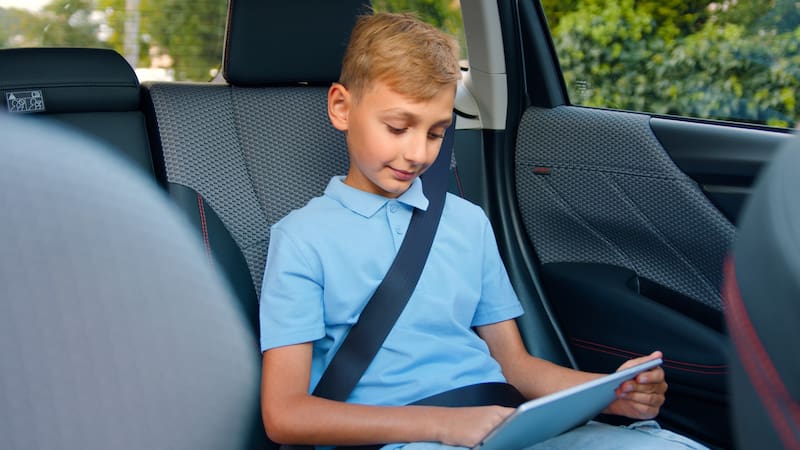
Although riding in the front passenger seat is a frequent request among children, the safety rules established by authorities indicate that all children under 13 must travel in the back seat of the vehicle, in order to protect them against the fallout of any possible crashes and accidents.
“The back seat is the safest place for your children because most accidents happen in the front of the car and the back seat is farther away from this impact,” it states.
Wearing a seat belt is essential: what the data says
The rule is for children under 13 to travel in the back seat of the vehicle and always do so with the seat belt properly fastened.
The use of this safety item is vital and the statistics prove it: according to official data, in 2024 nearly 60% of passengers who died in an accident while riding in the back seat did not have their seat belt properly fastened.
How minors should use seat belts
The authorities’ instruction is that seat belts should always:
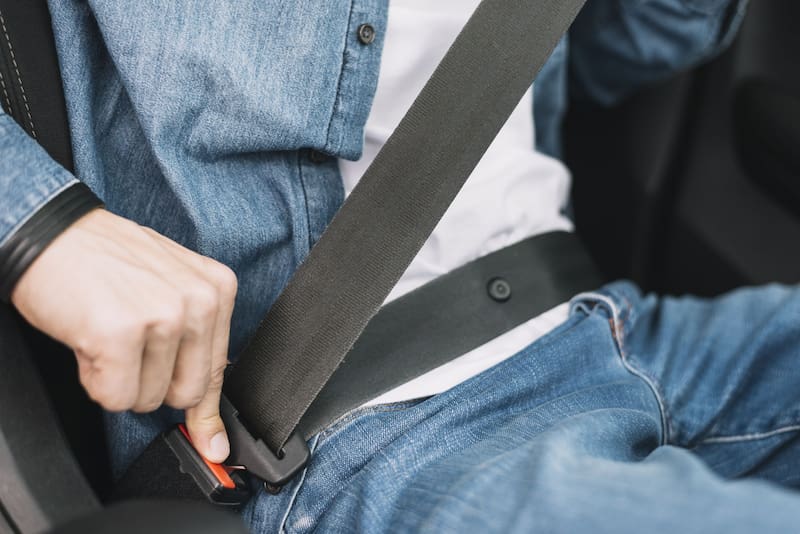
- Be snug across the upper thighs (never over the belly)
- Be positioned over the shoulder and chest, without crossing the neck or face
In addition, it is explained that placing it under the arm or shoulders can cause serious injuries in an accident, so ensuring proper use of this item is essential for both adults and children.